



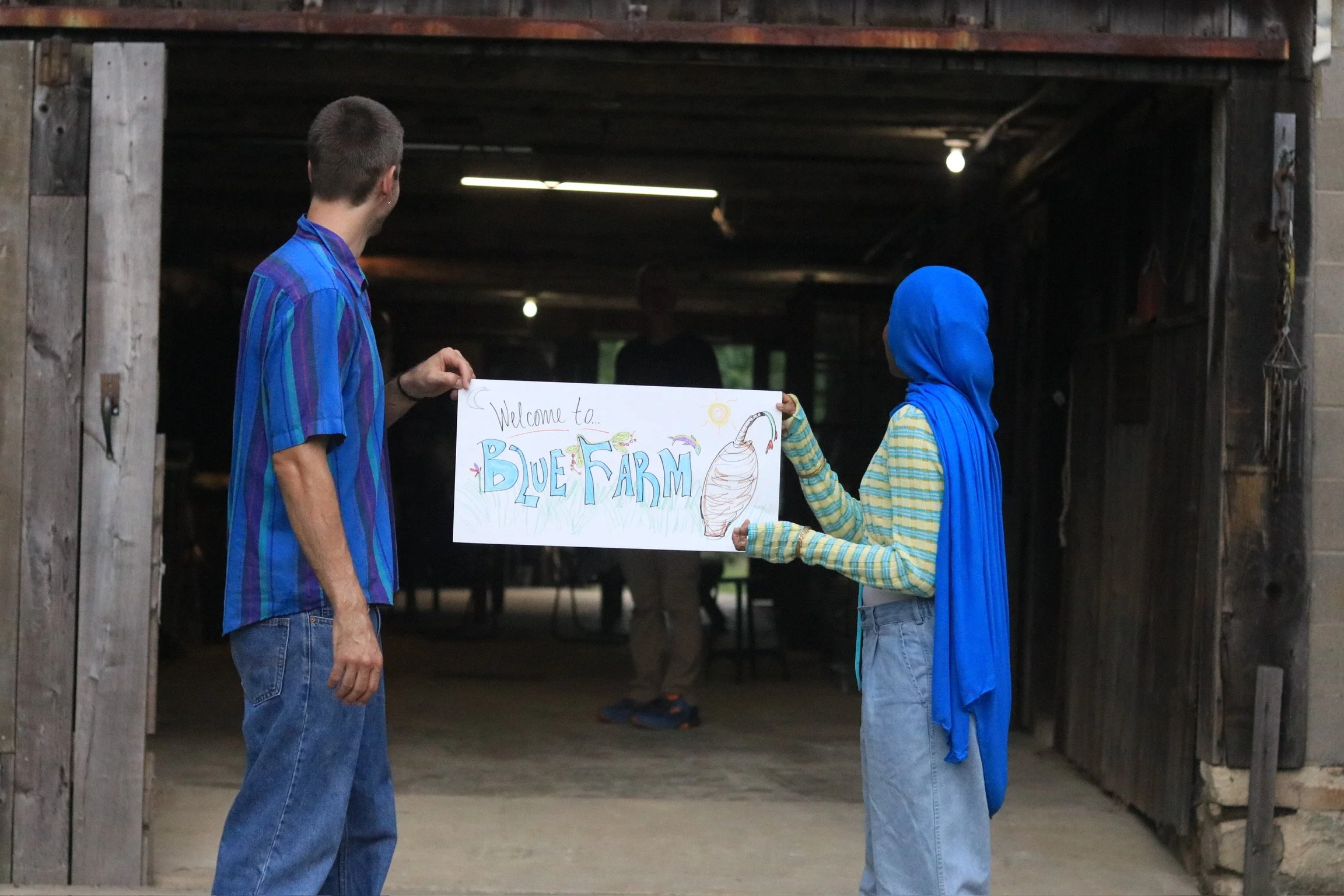


Mission
This is an artist-run residency that supports the experimentation and practice of the artists who stay here, with aims to provide resources necessary to their process. We prioritize skill and knowledge sharing, community engagement and service.
A continuation of what Bob and Kathleen cultivated on this land:
a place of refuge and practice for those working towards epiphany in any field of study and form of creation
to offer consistent scholarship and access to those that have not been afforded time, space and funds to explore and invest in creative mediums
to exist as a compounding source of historical truth grounded in present, critical awareness
to encourage focus, intention, craftsmanship and skill-sharing through a regenerative pool of resources for a growing collective of people from the local community, around the country, and abroad.
To become more self-sustaining each year in regards to food, energy and other material sources.
Culture
Our culture was informed by and co-established alongside collectives like _____babystudio in Los Angeles. The creative work and organization discovered here resonate with a chorus dedicated to academic rigor, freewheeling imagination, refined craft, devoted beauty, silly untethered joys, ecological sustainability, historical justice and radical, collaborative futures. The work of Dawn Lundy Martin, Timothy Washington, Shoja Azari, Magdalene Odundo, Nancy Garcia, Jennifer Shin, Robin Coste Lewis, Hannah Baer, John Keene, Tlaloc Studios and The Holland Project as well as the curatorial vision of Alex Jones and Lena Hansen are current sources of inspiration and direction.
Space
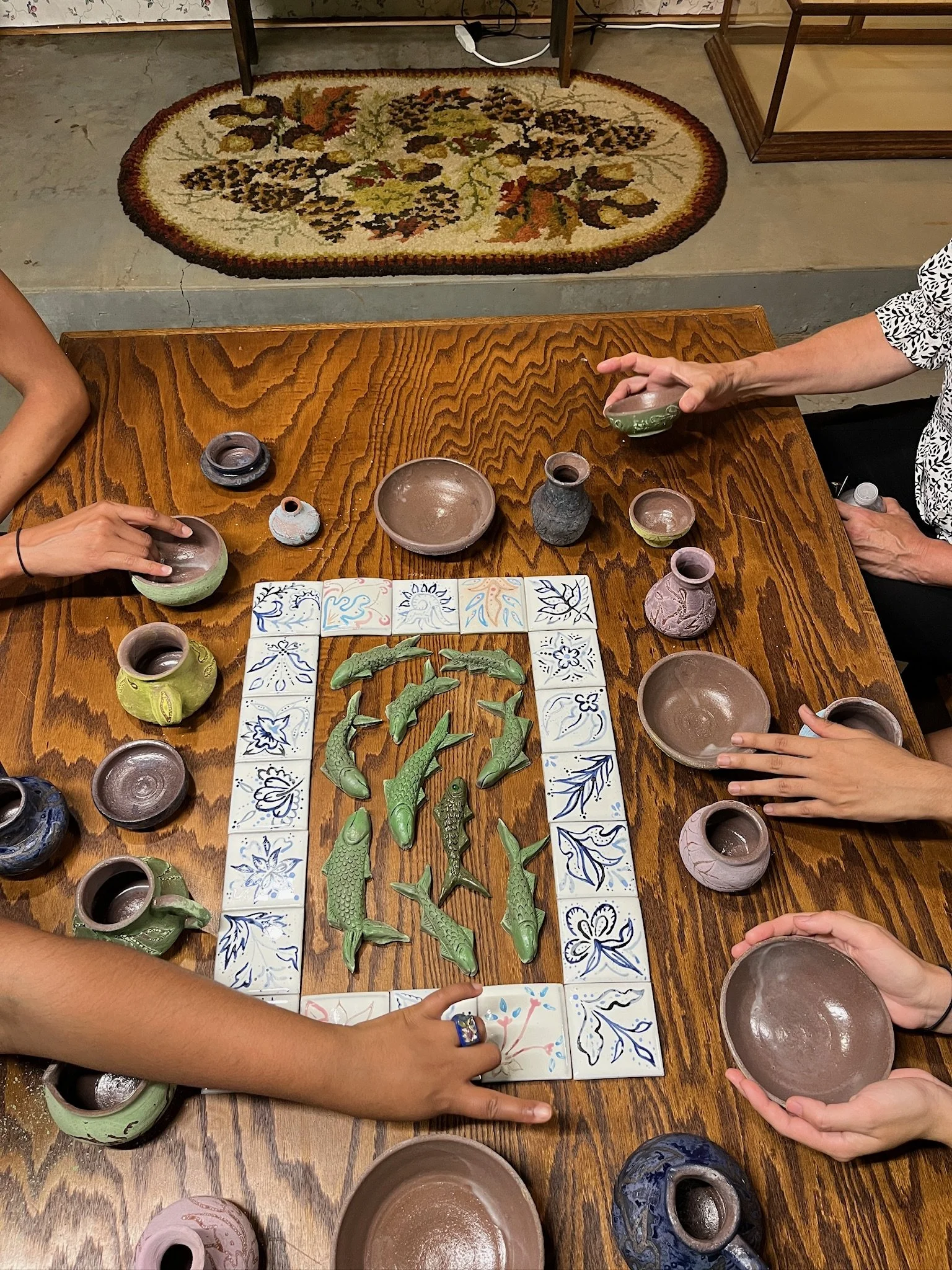
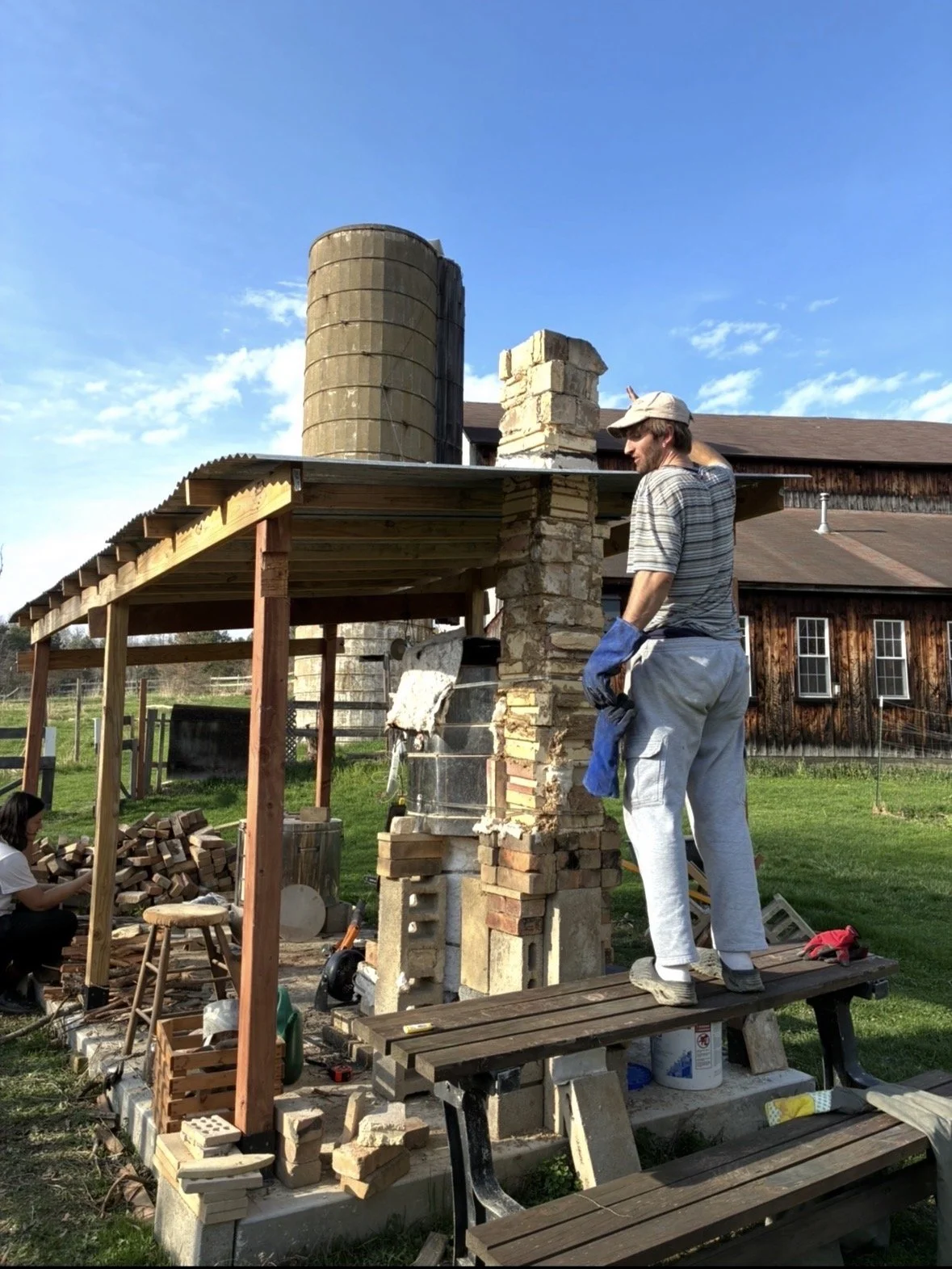
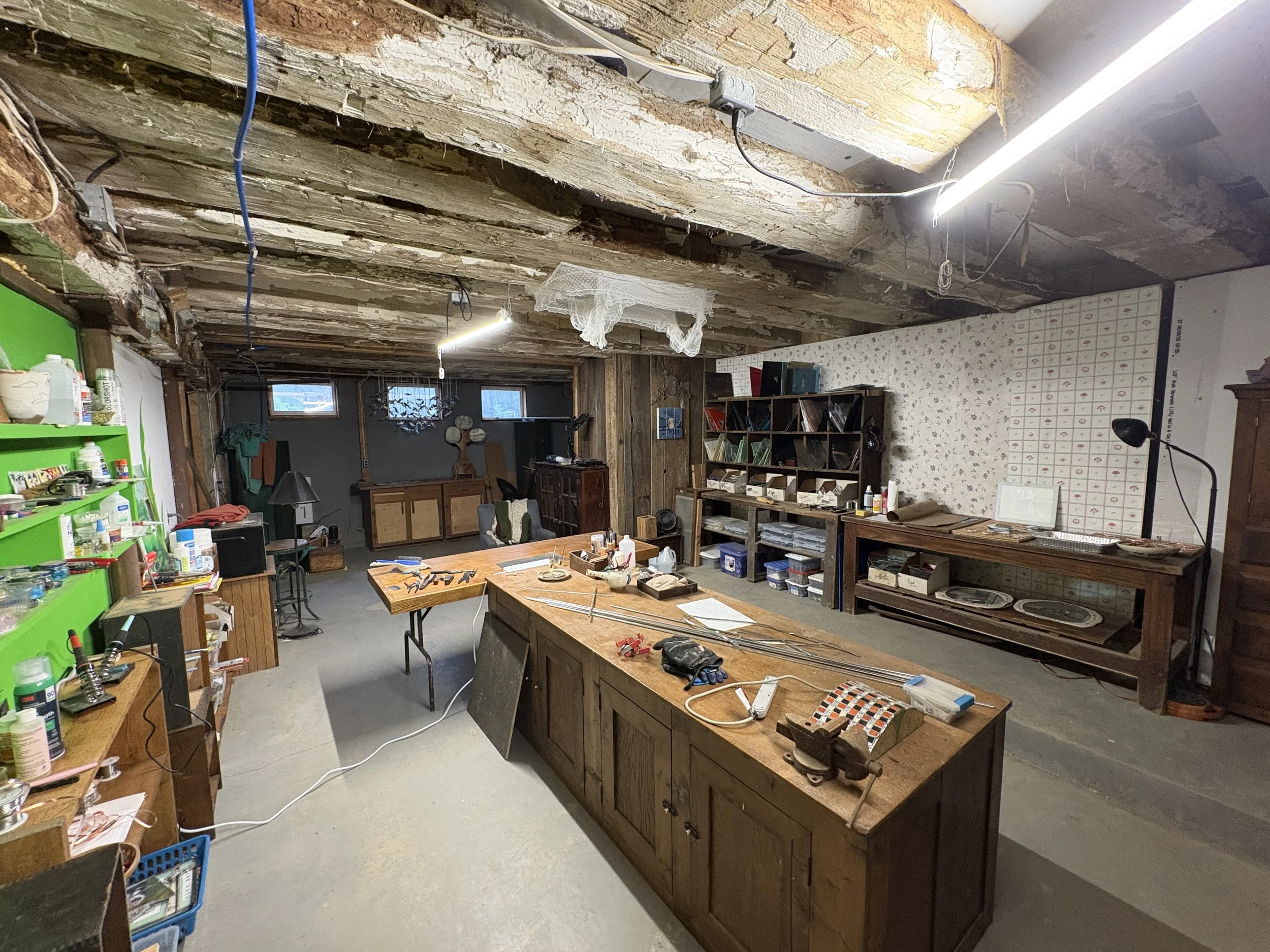
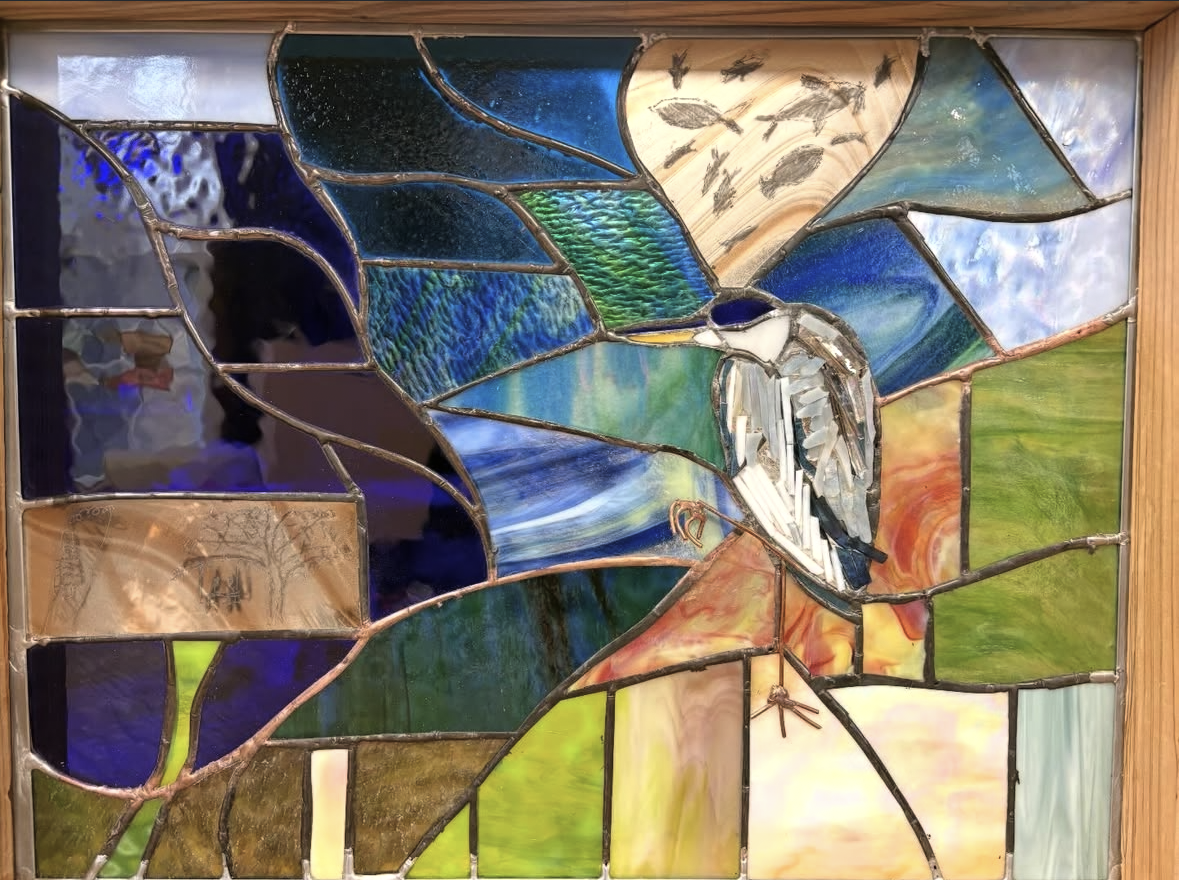
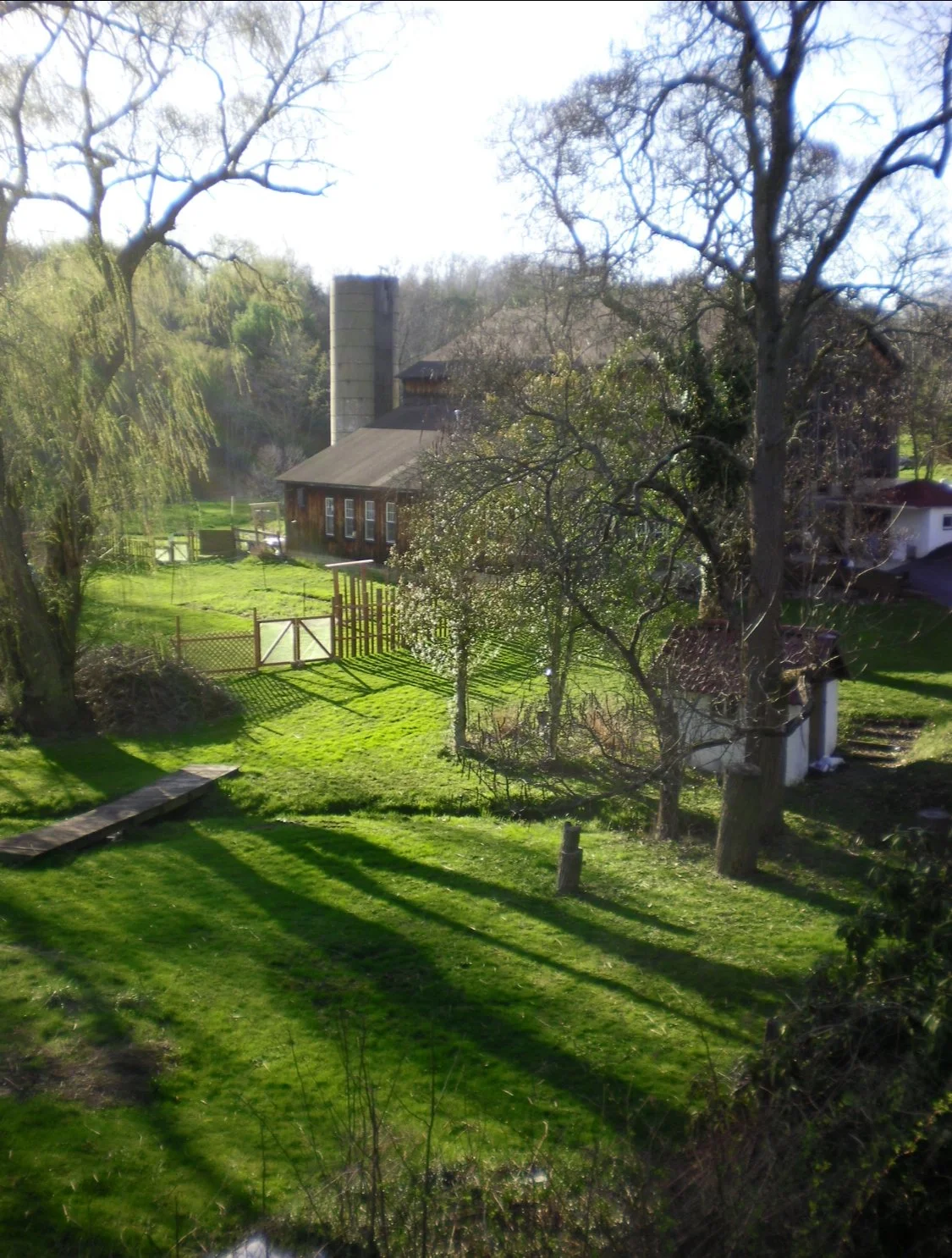
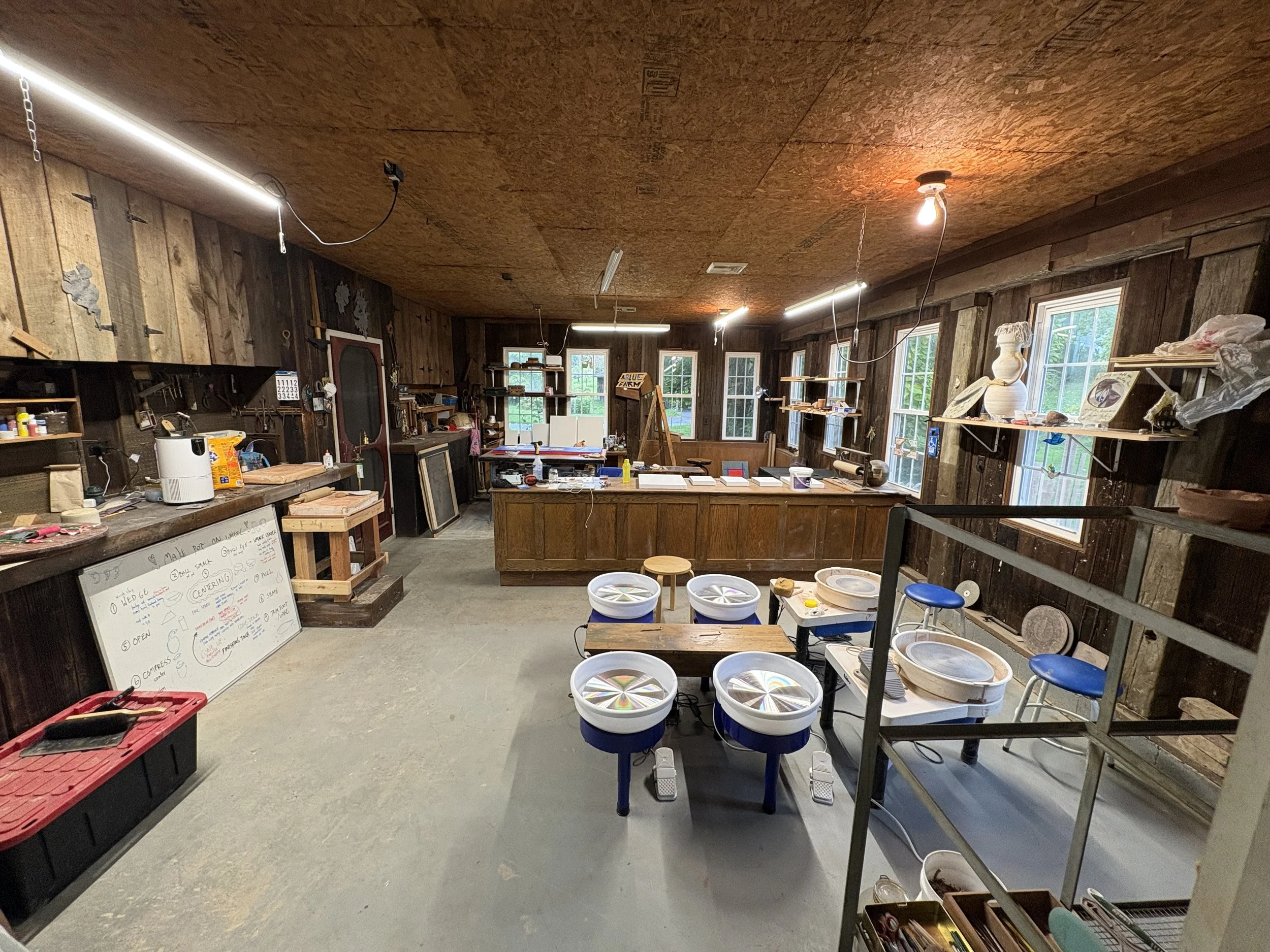
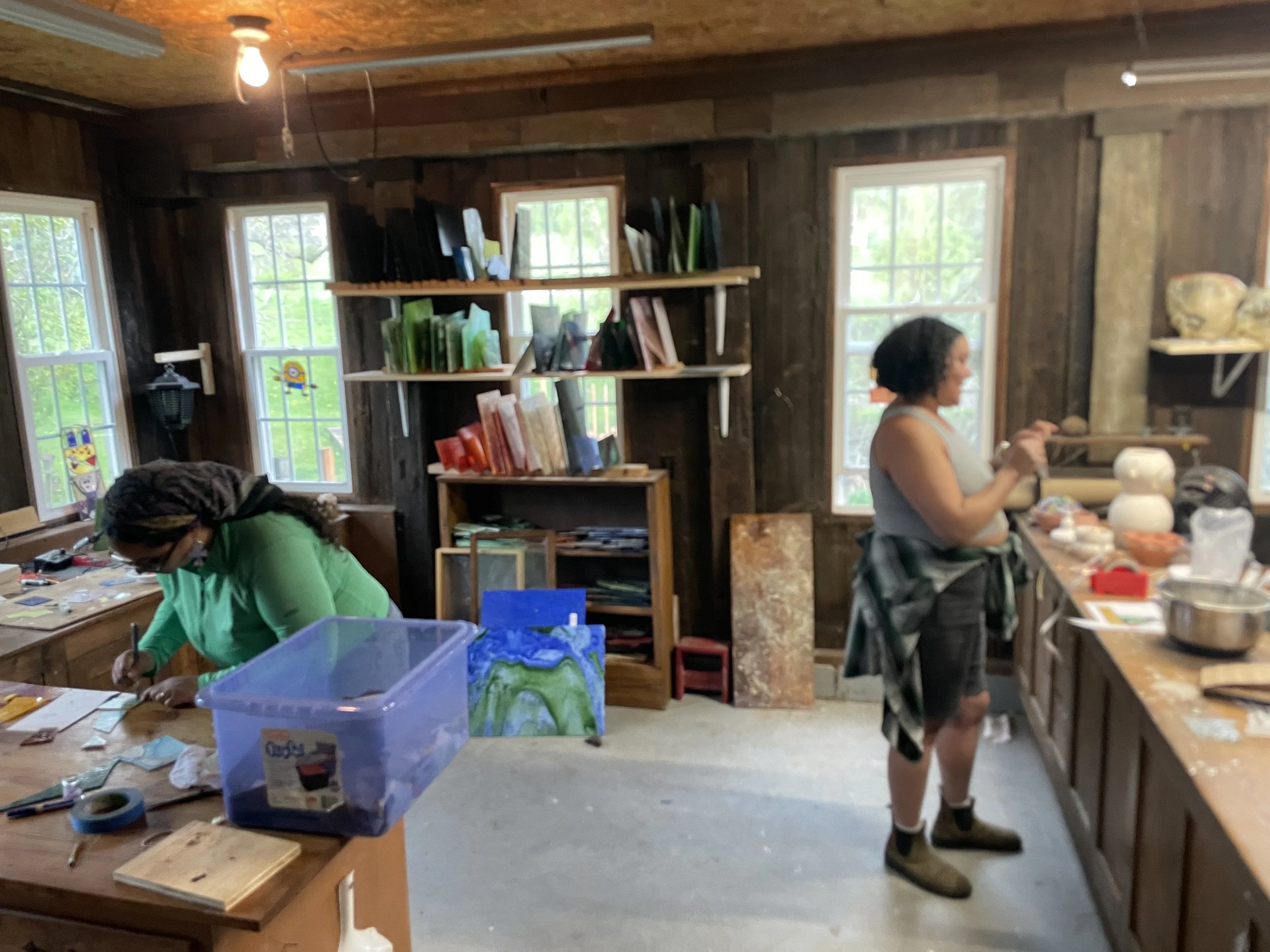
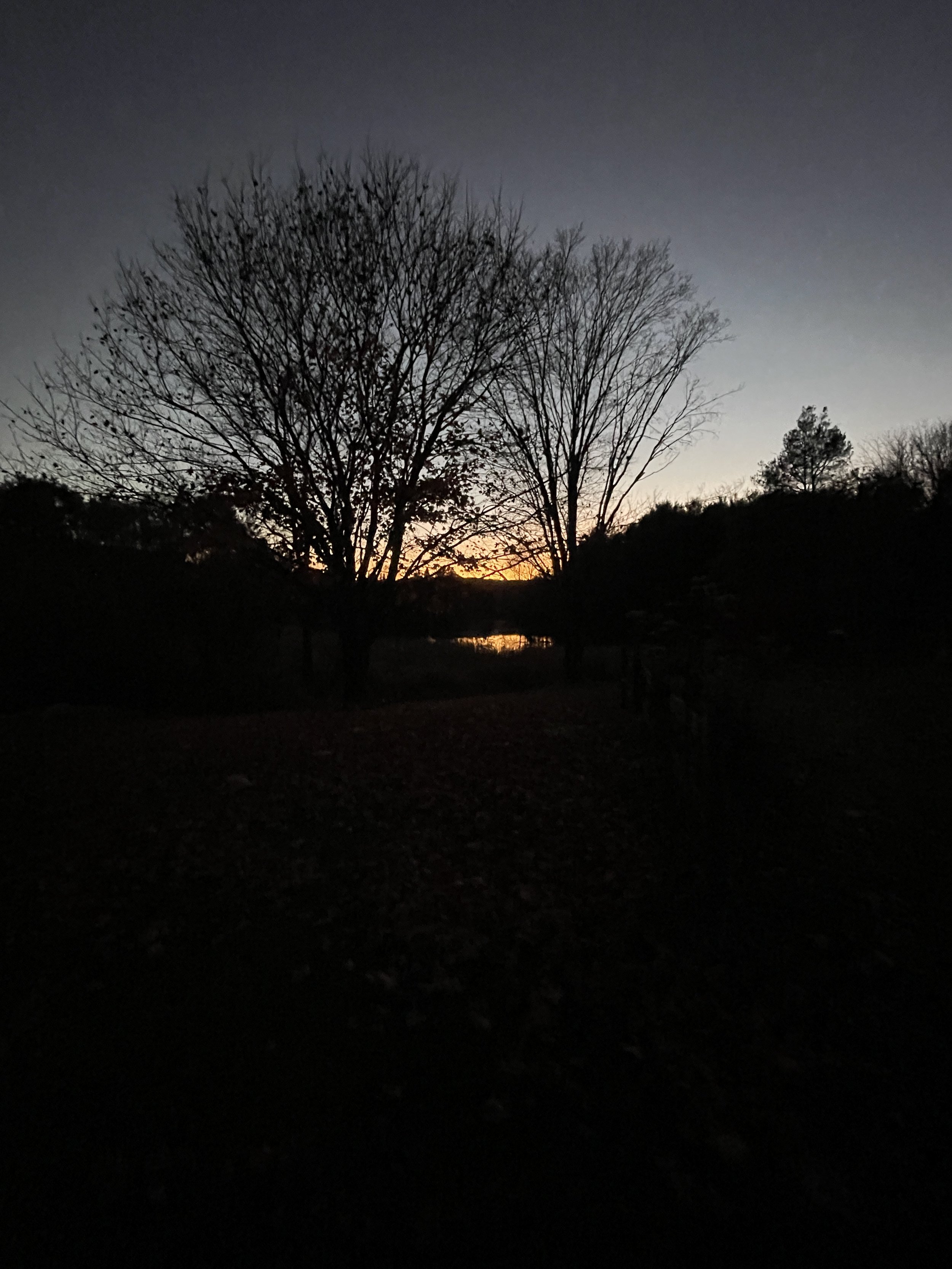
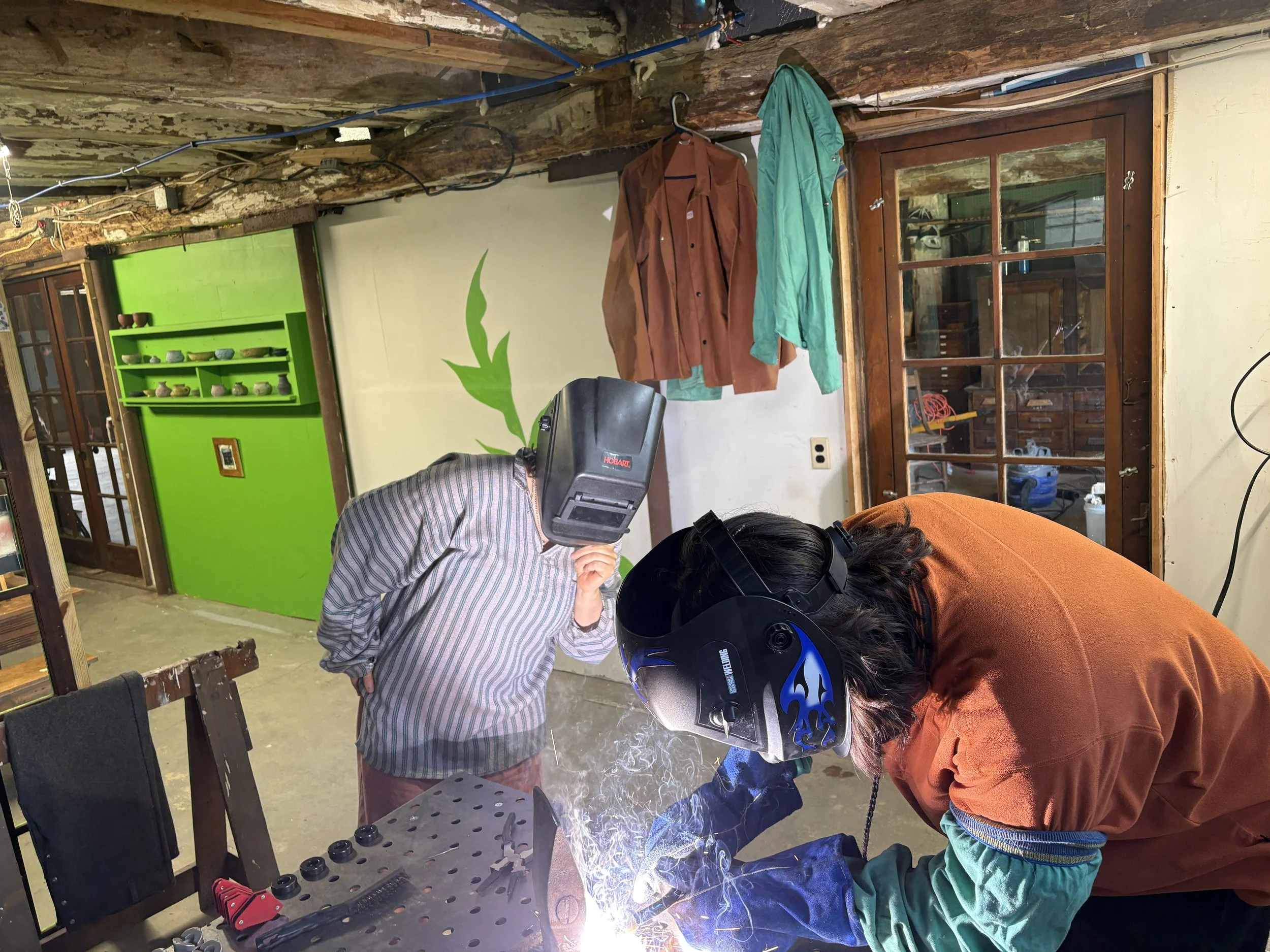
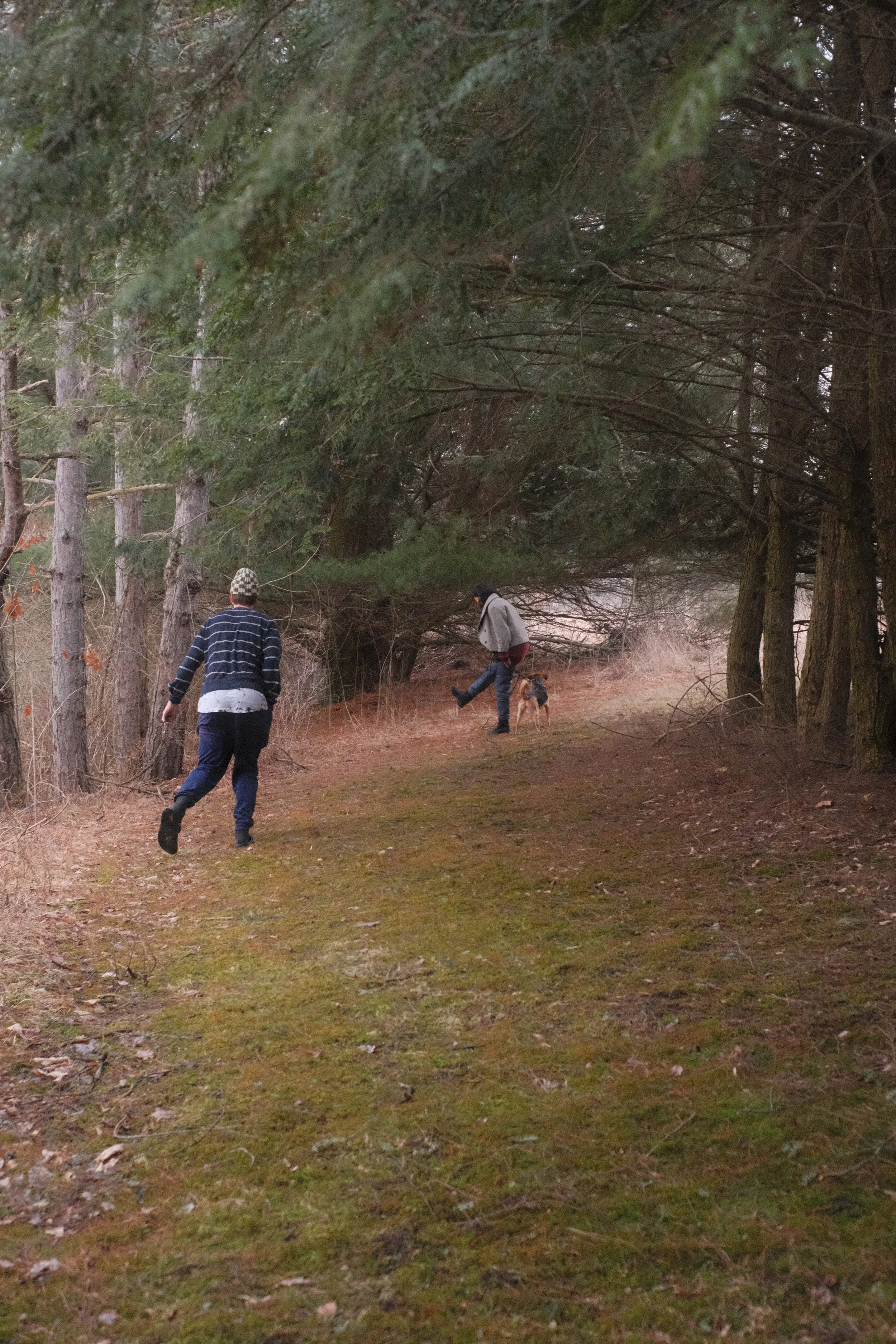
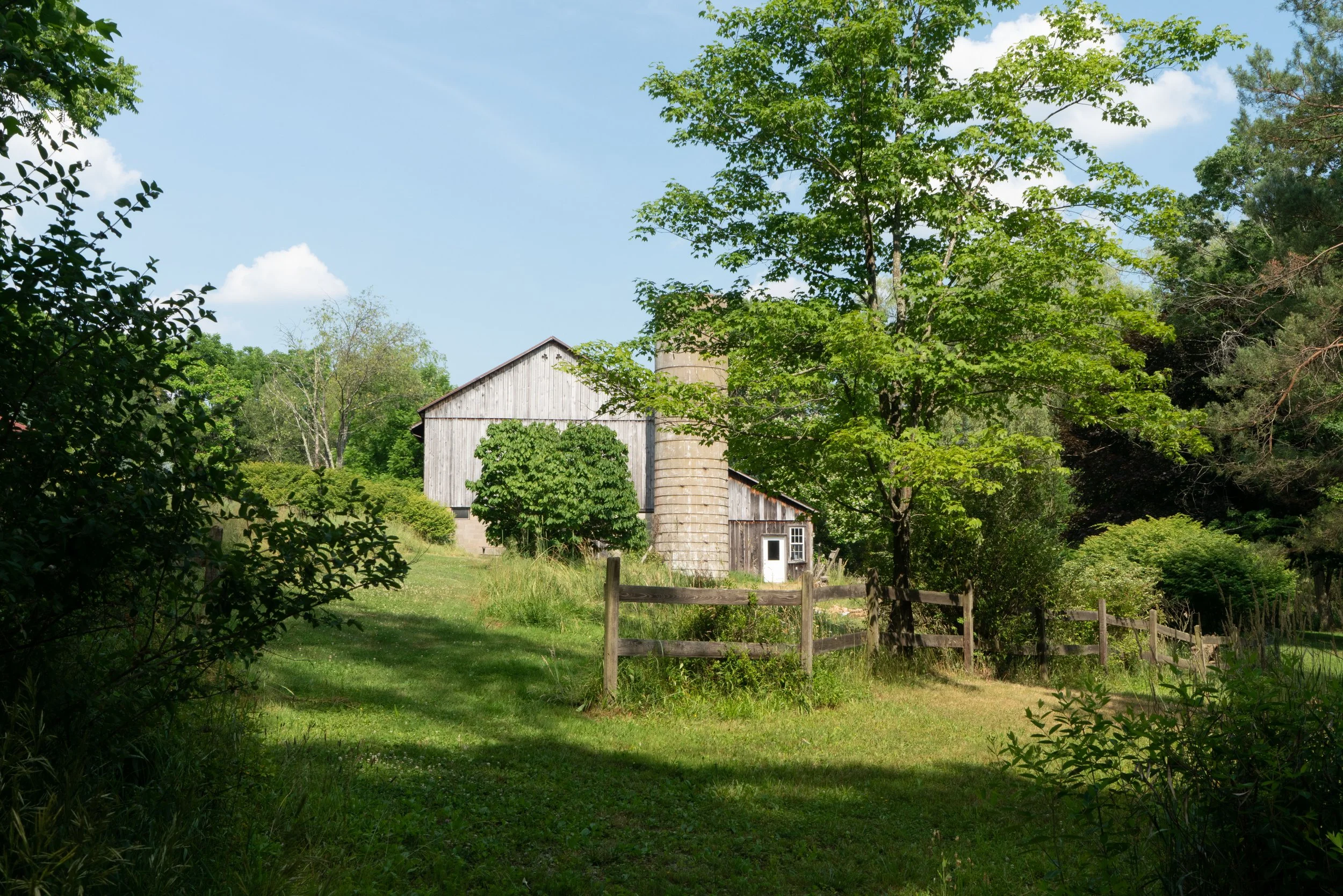
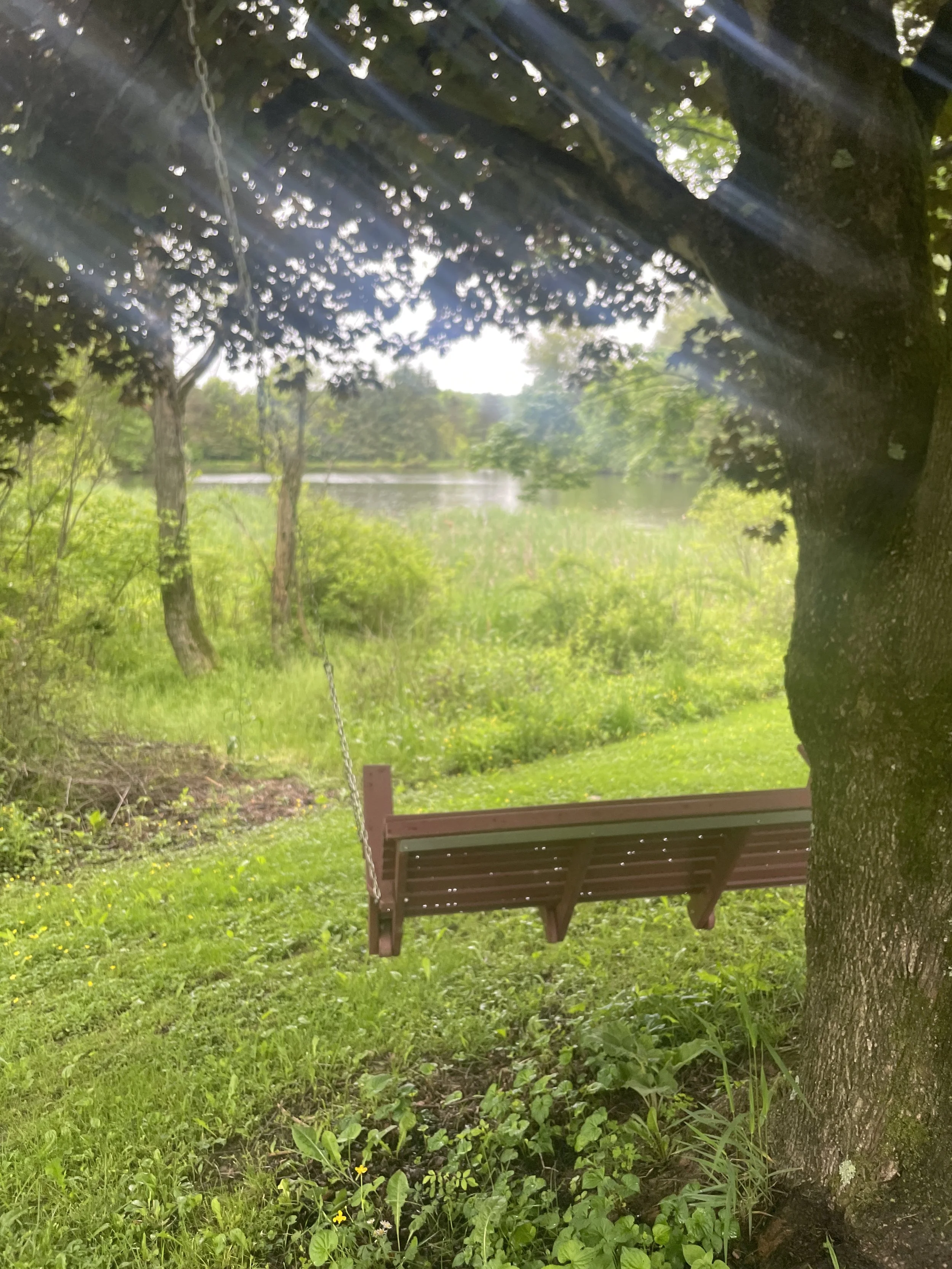
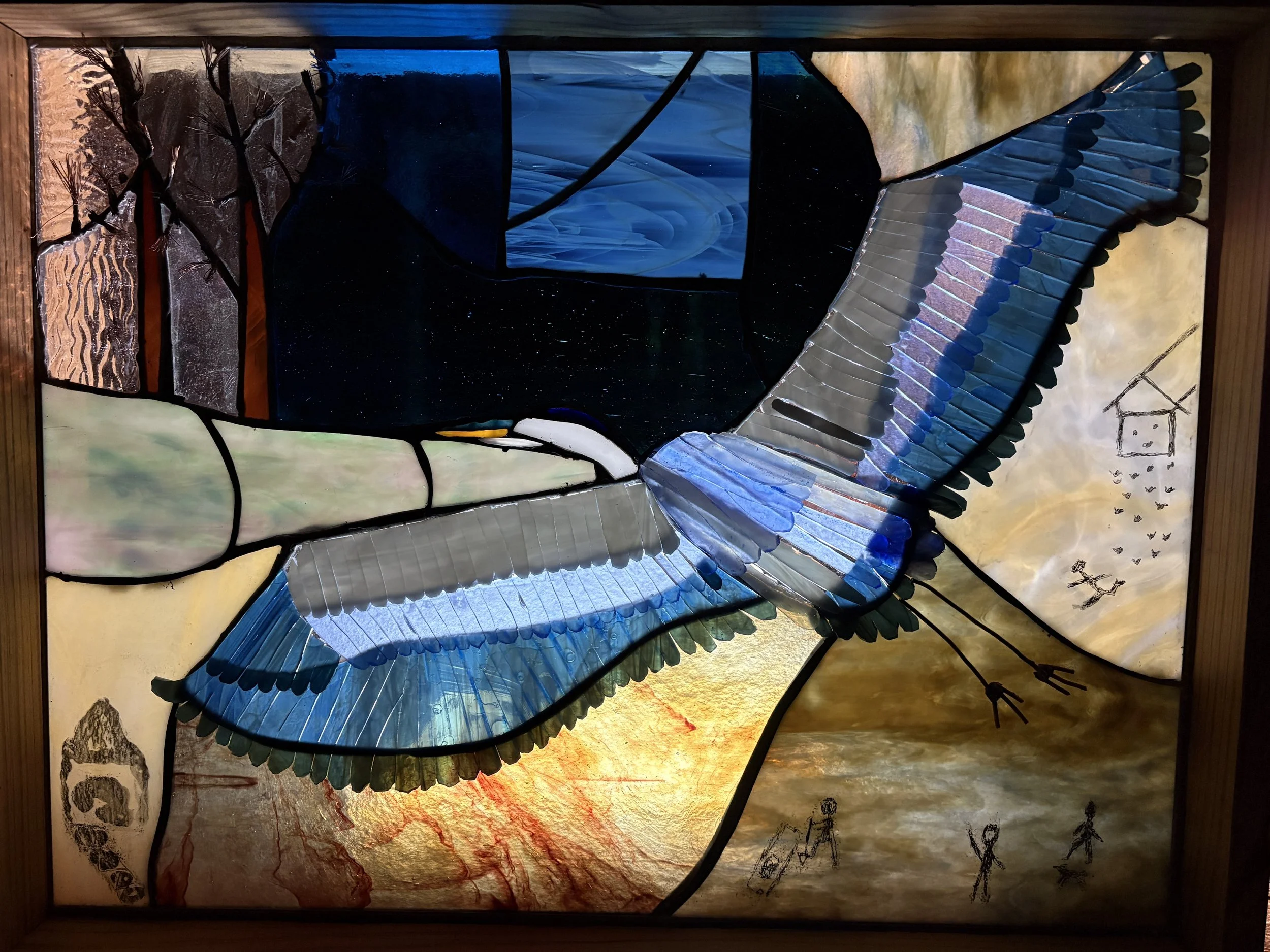
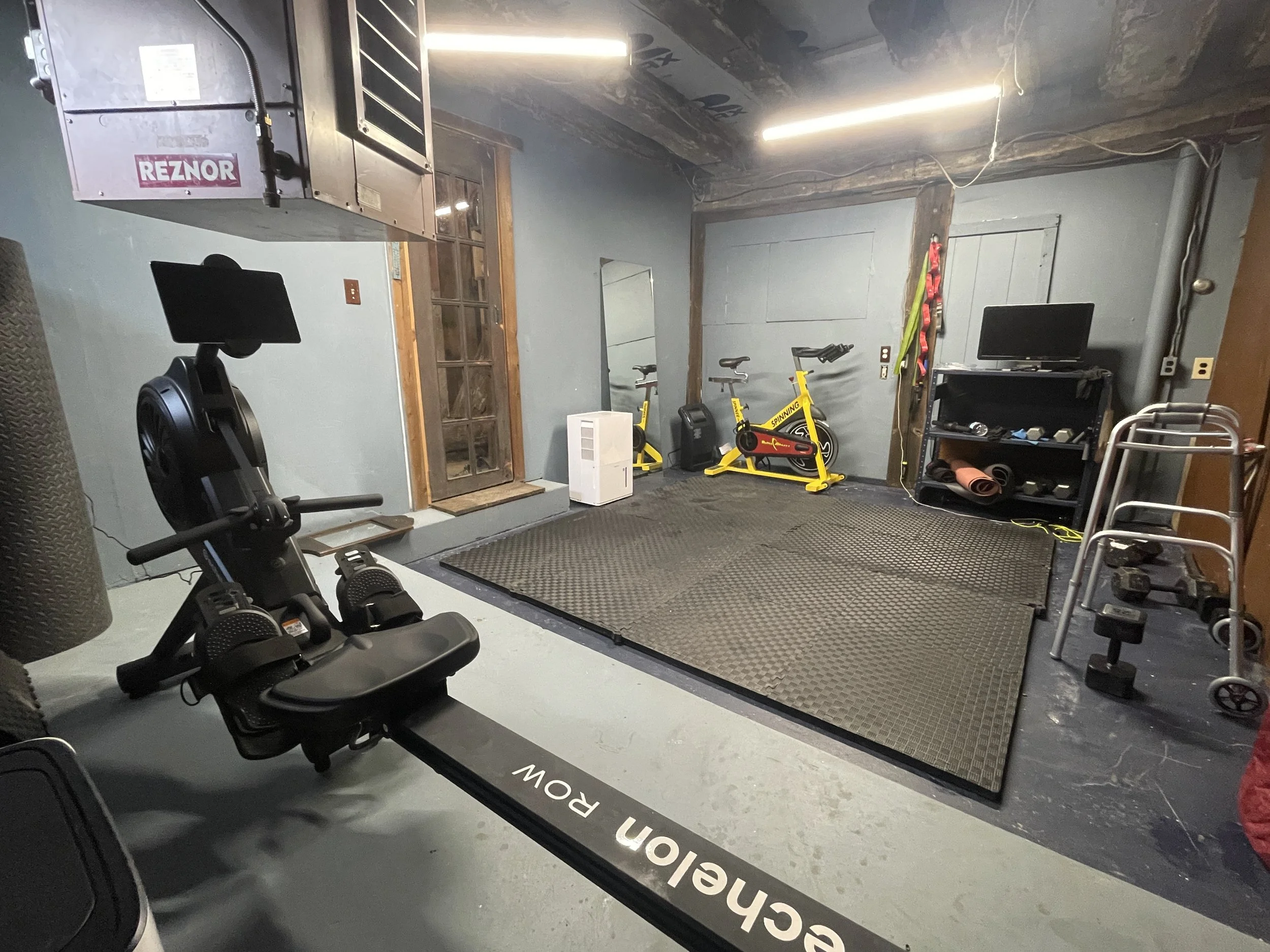
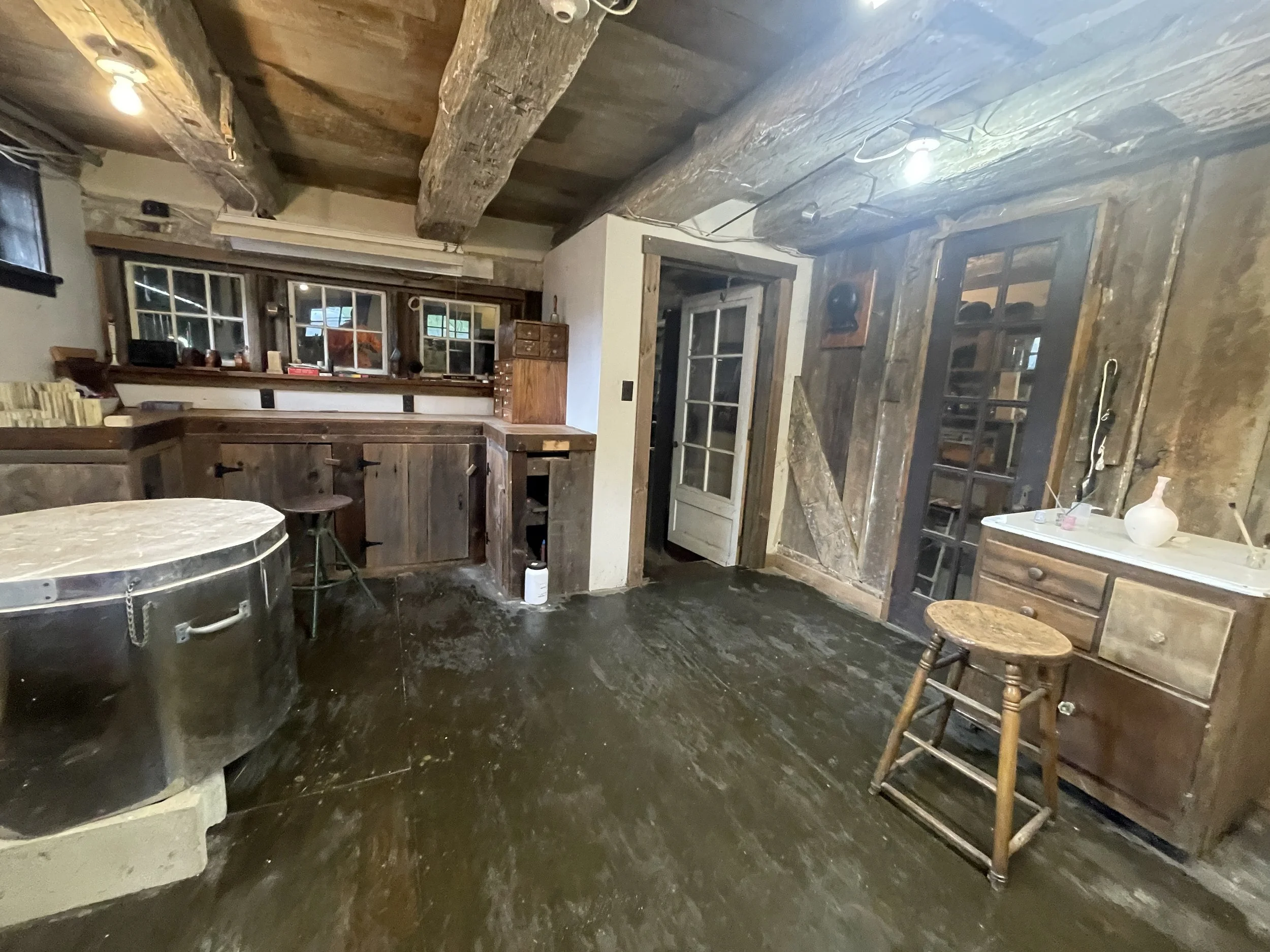
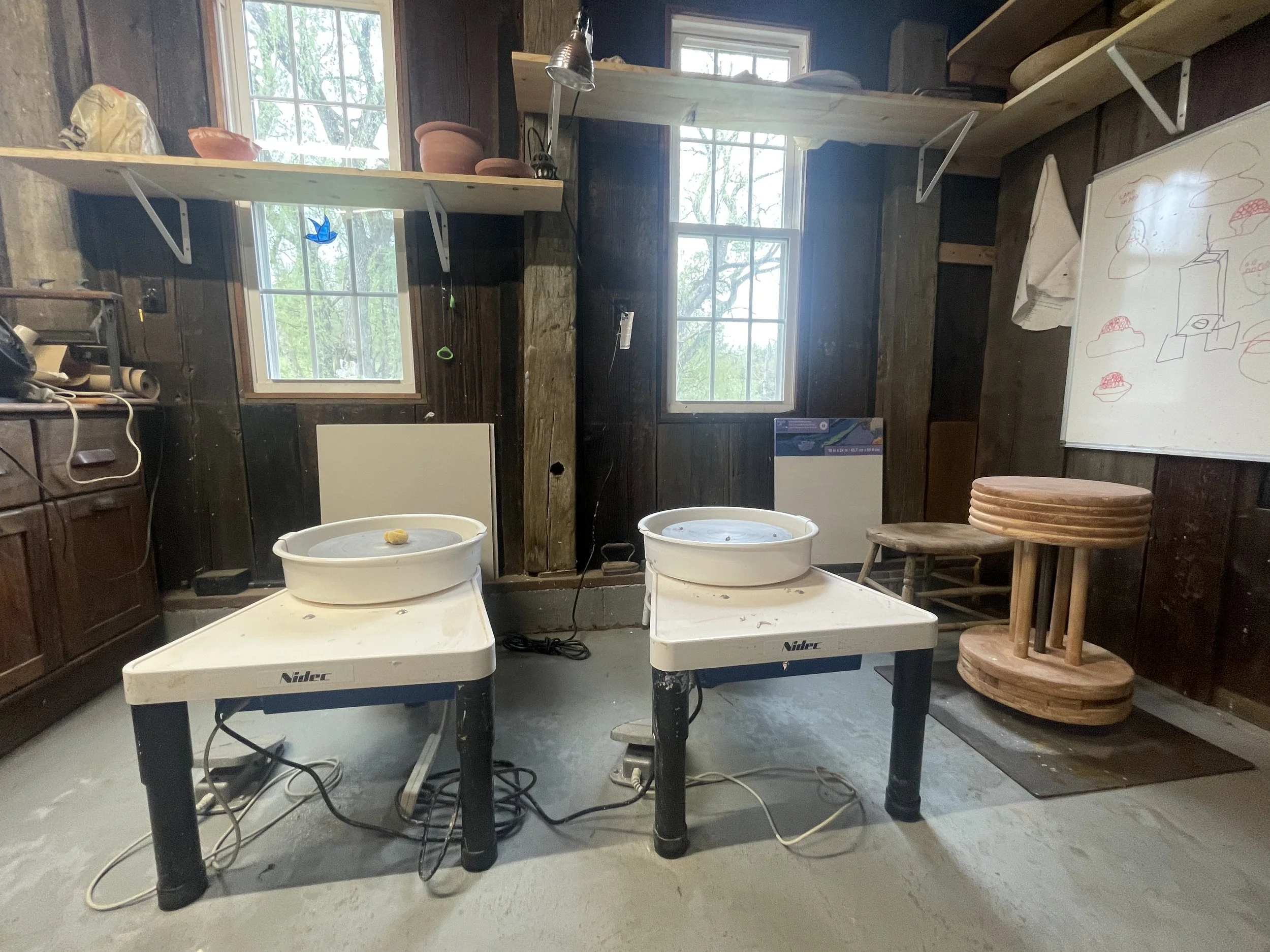
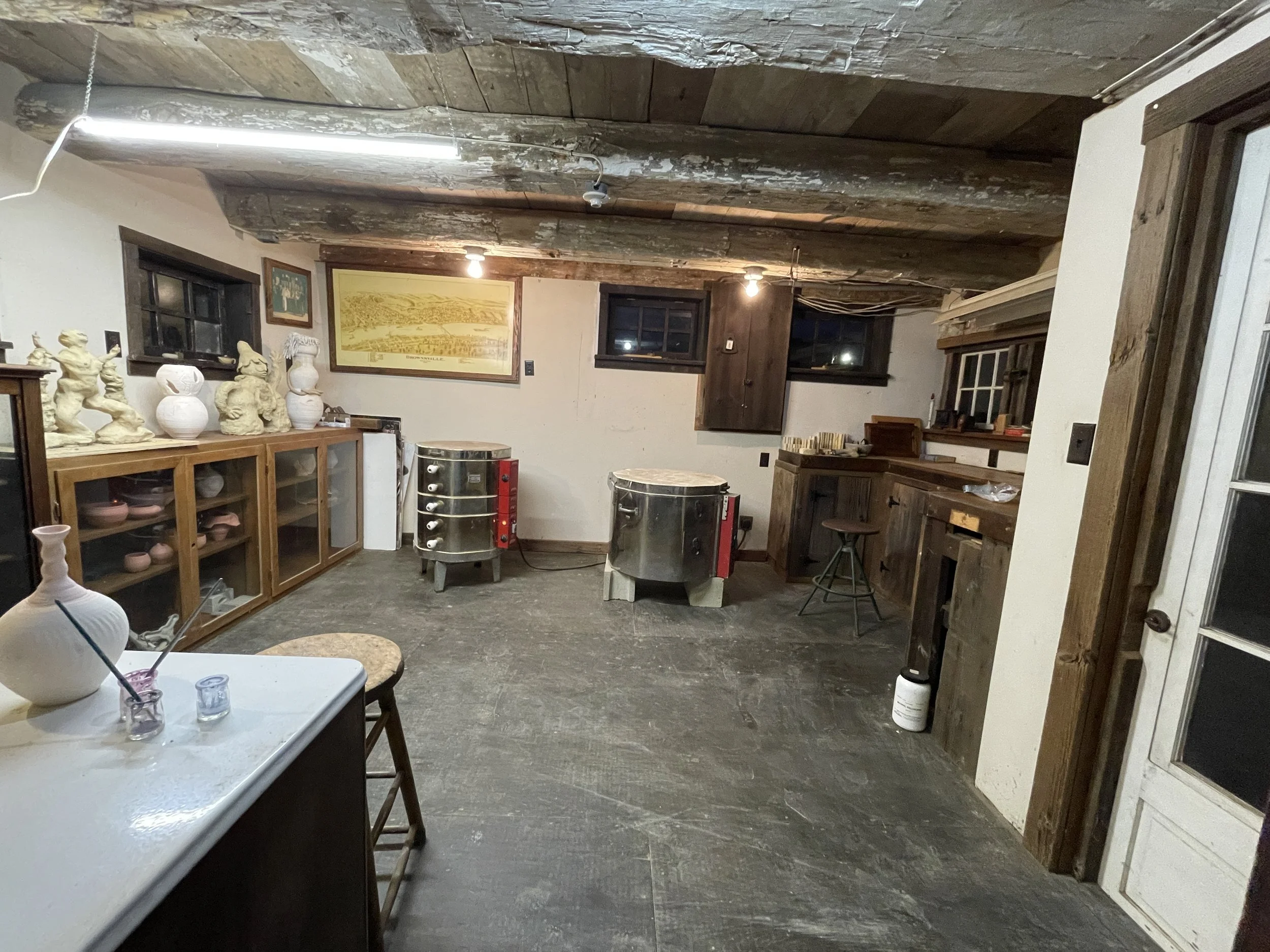
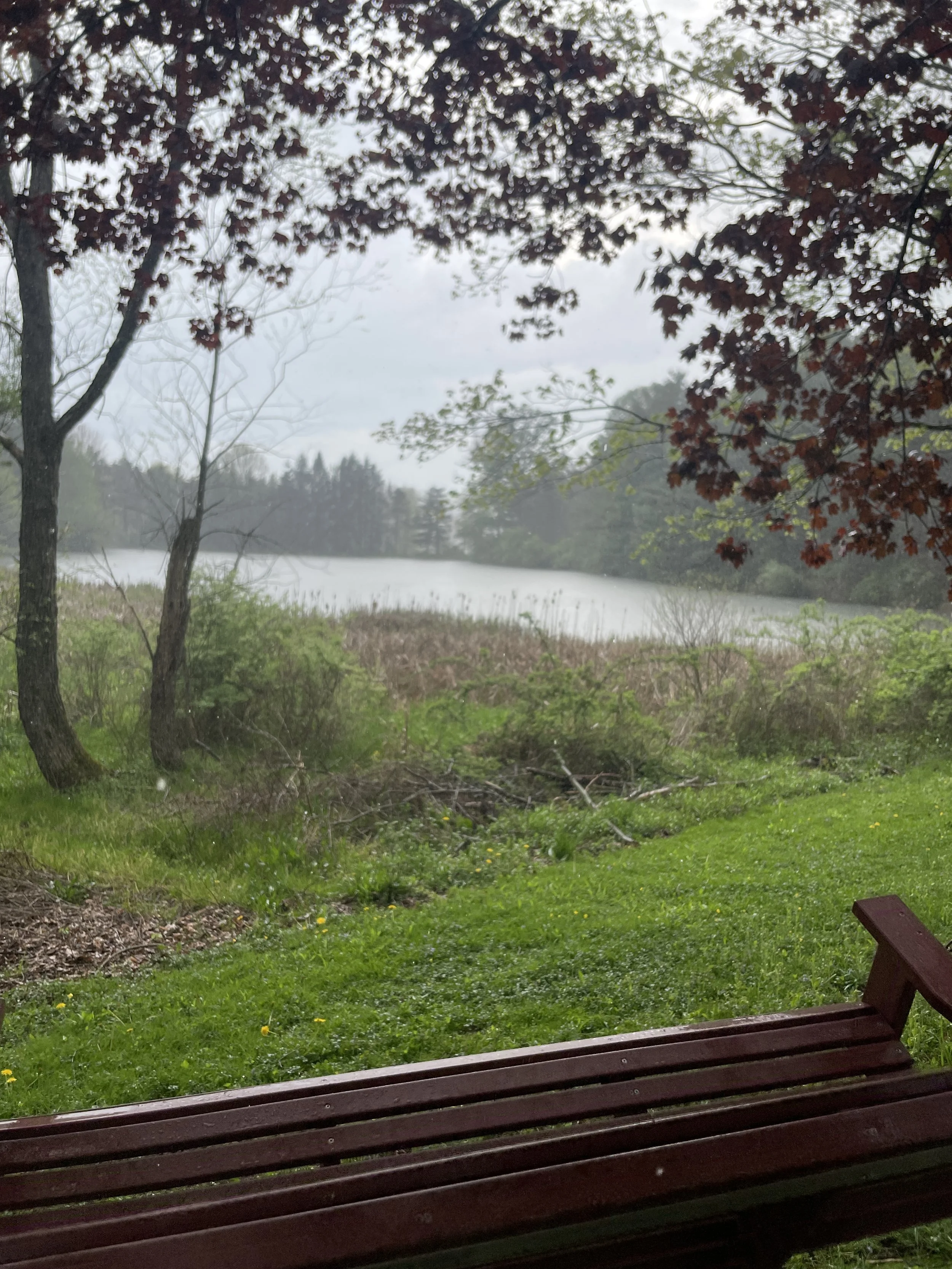
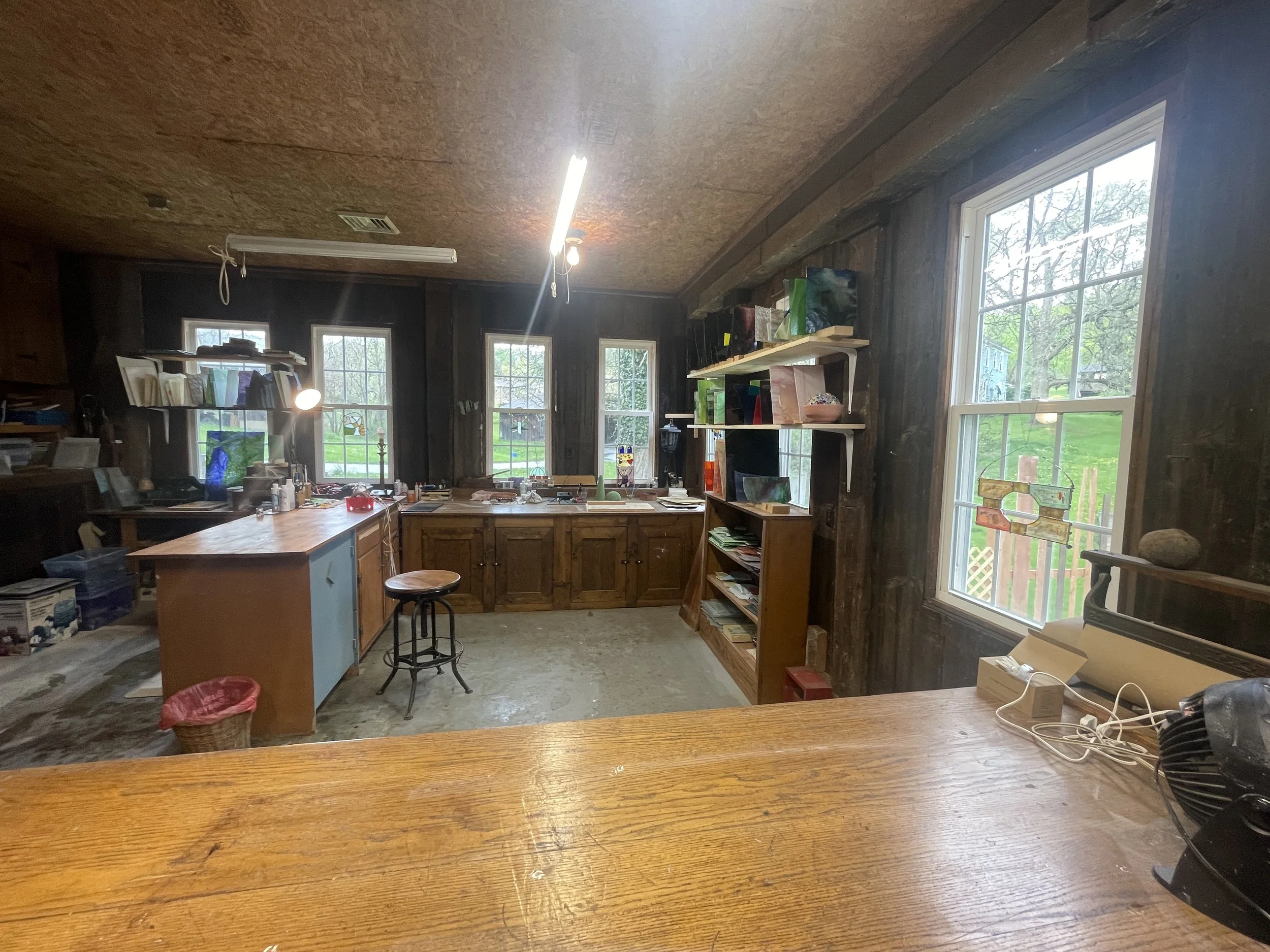
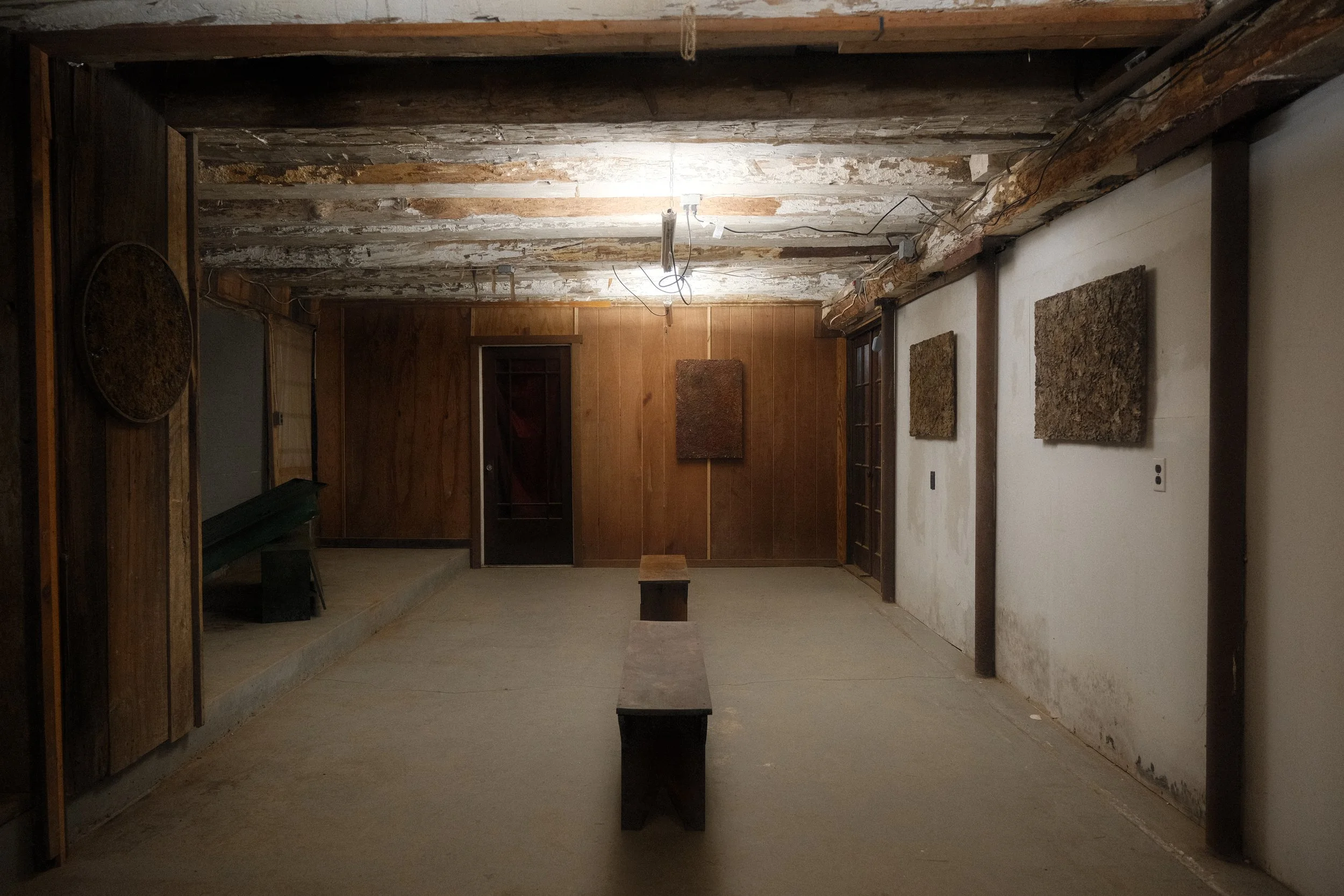
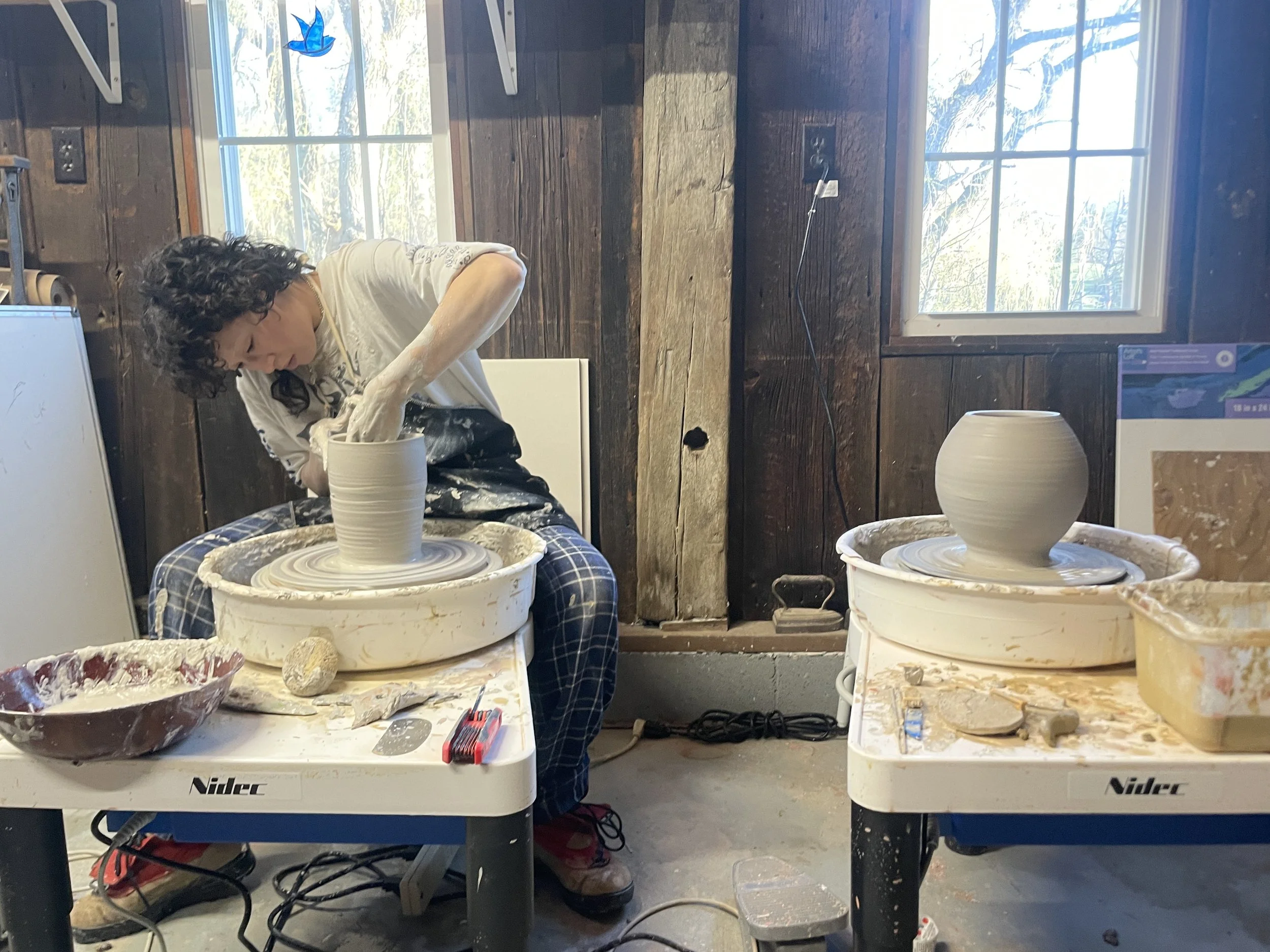
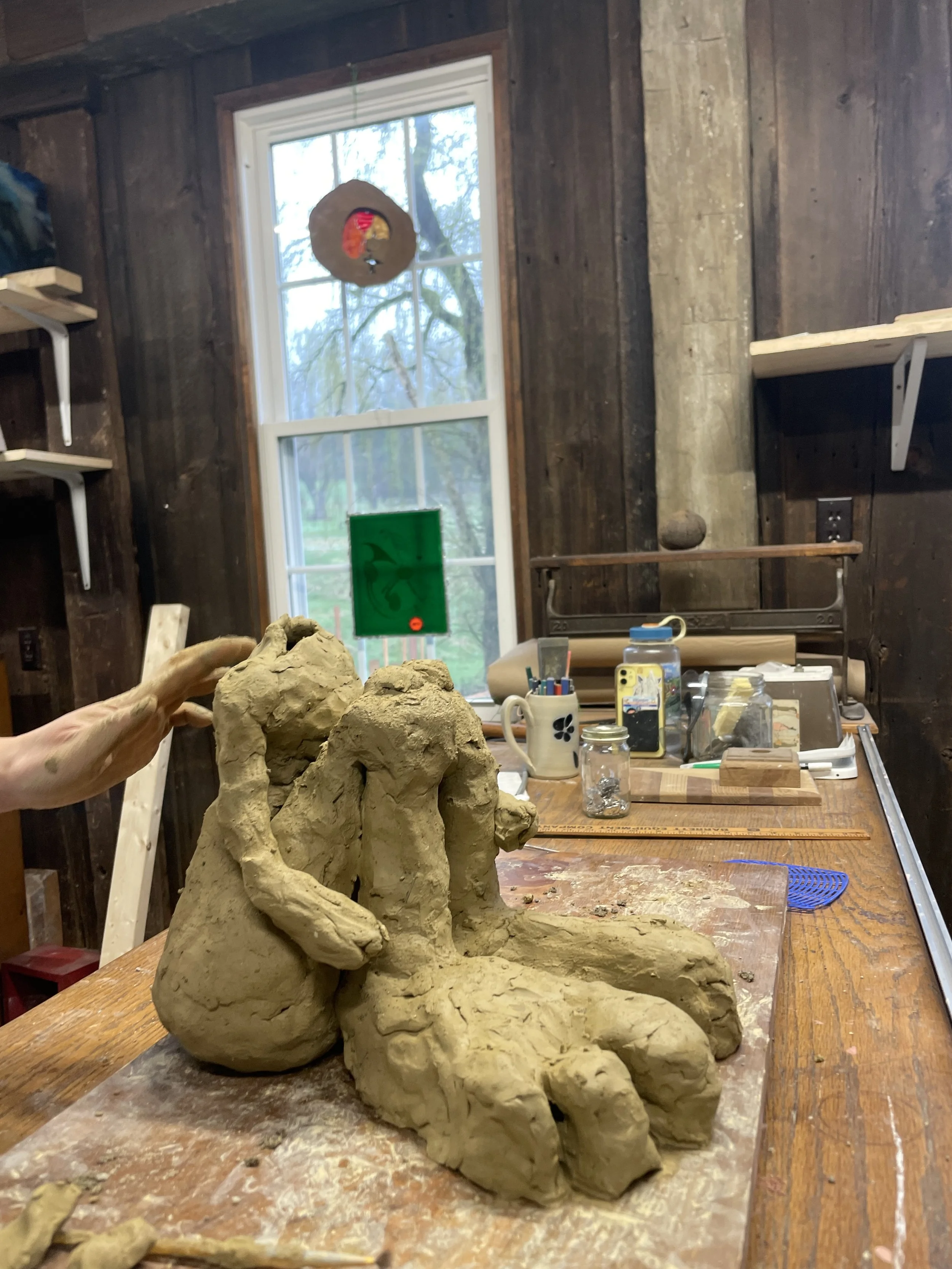
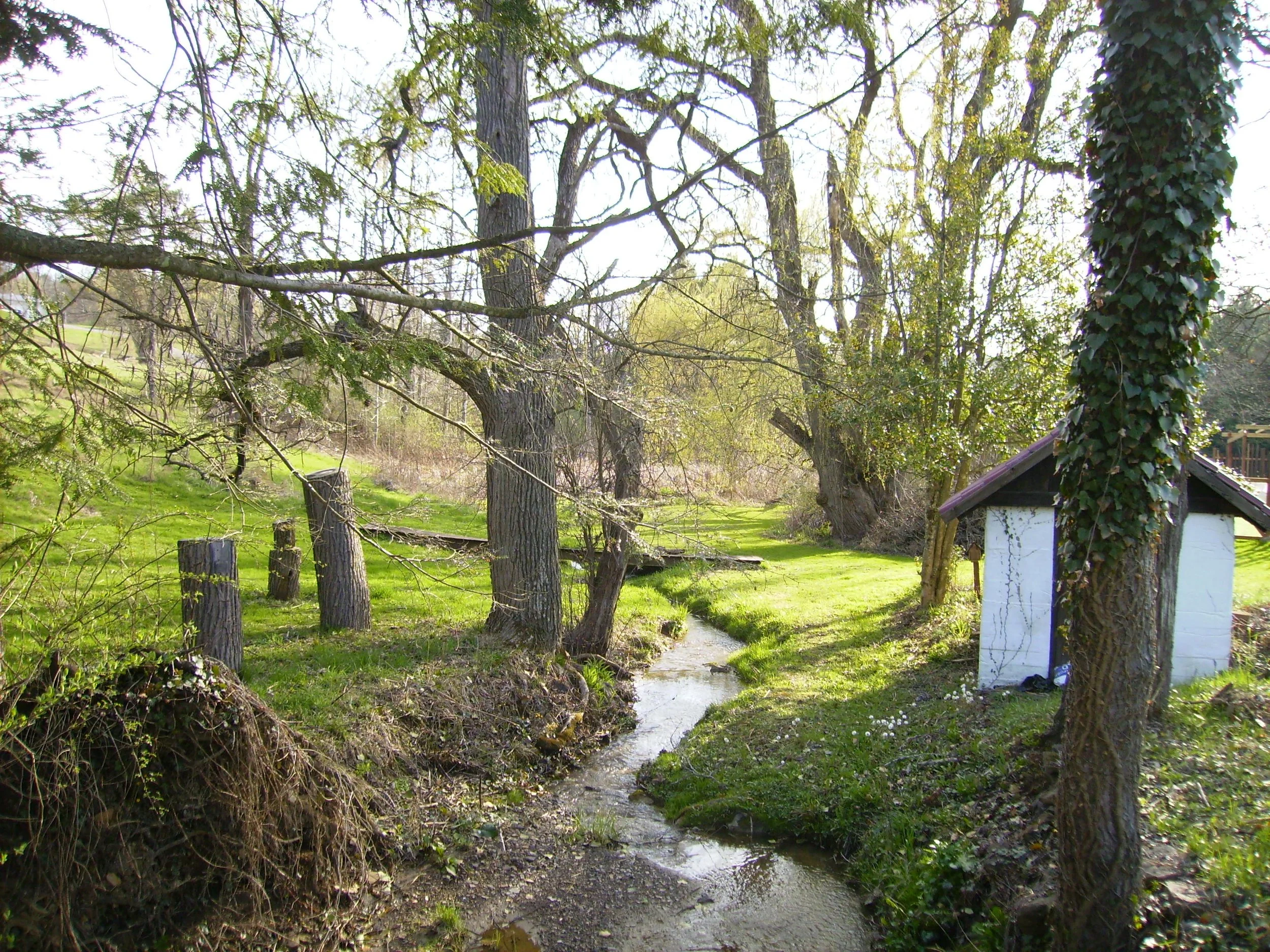
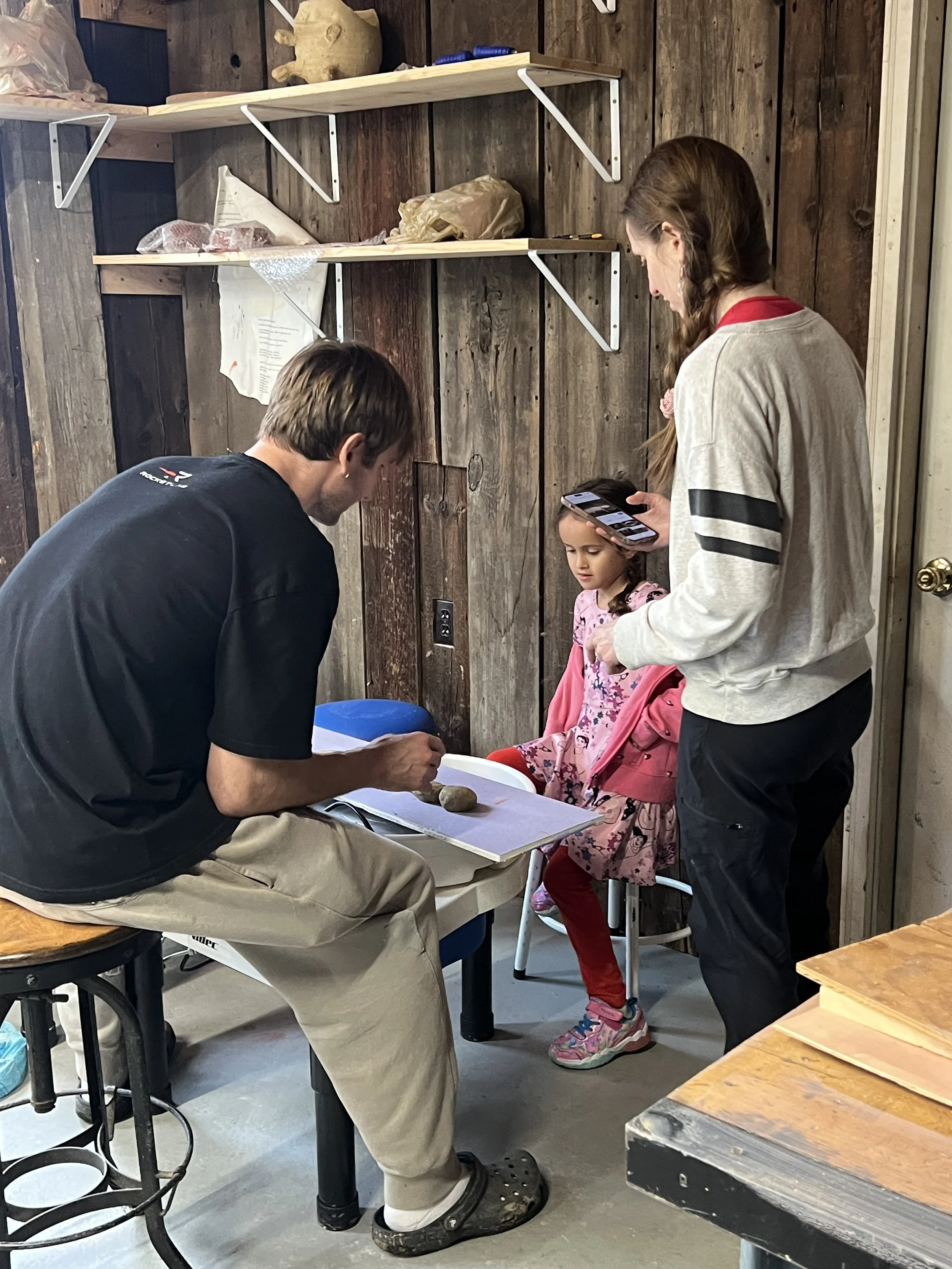
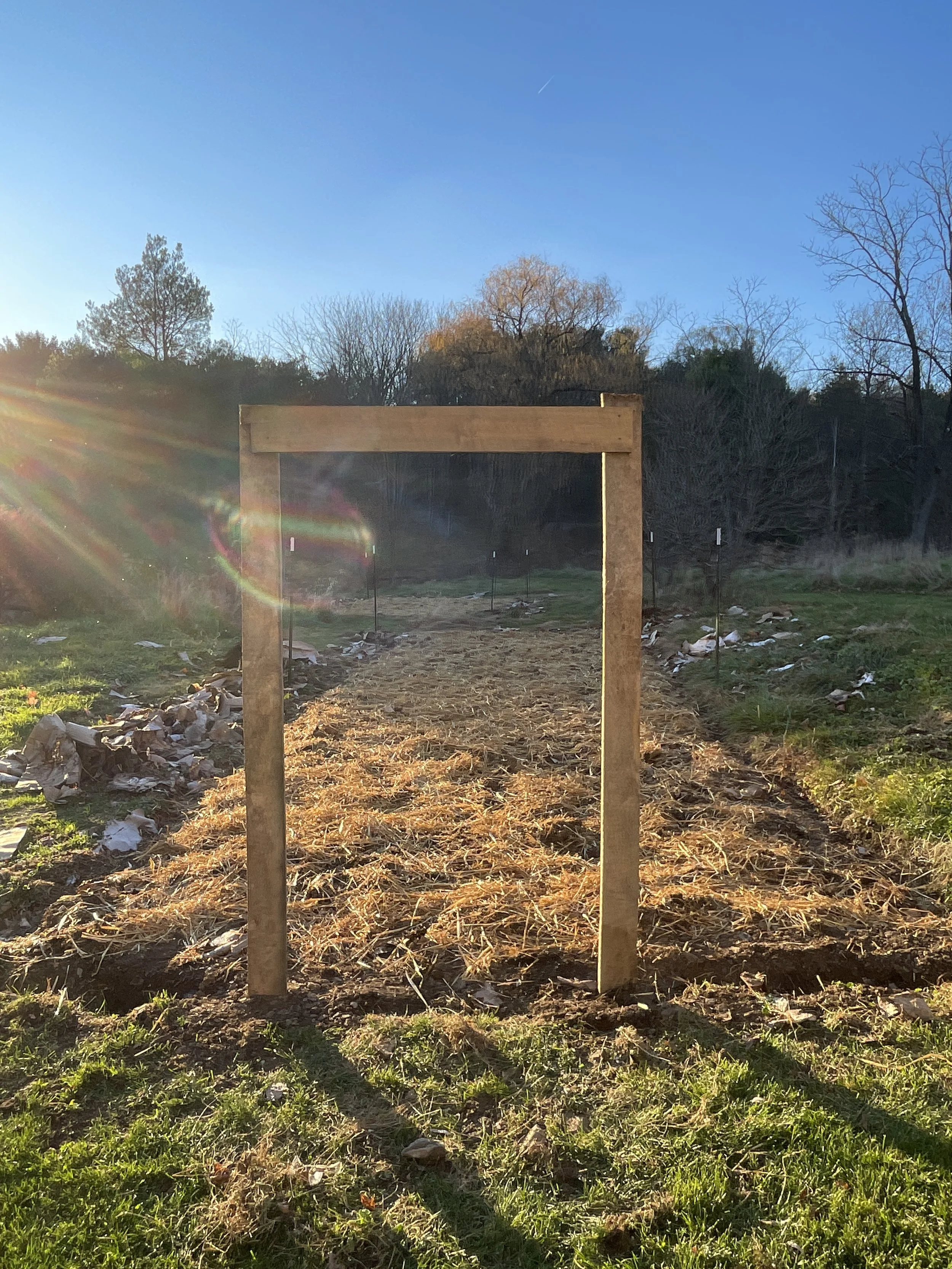
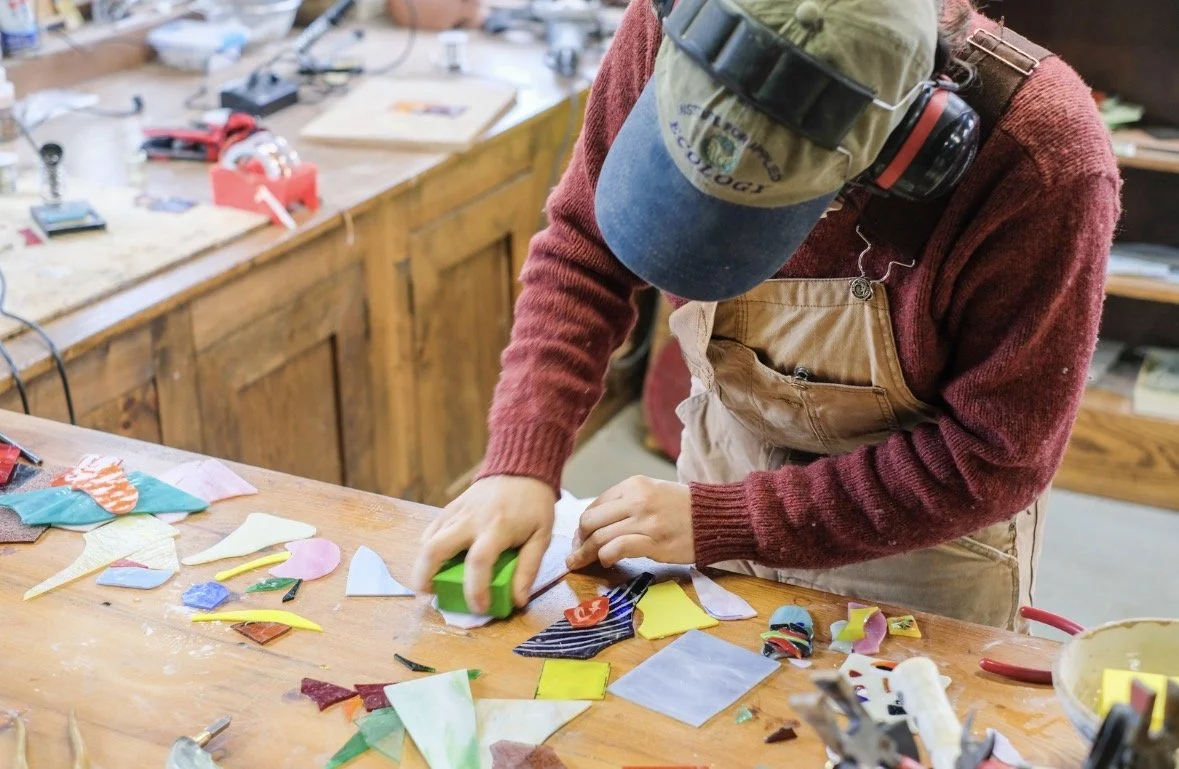
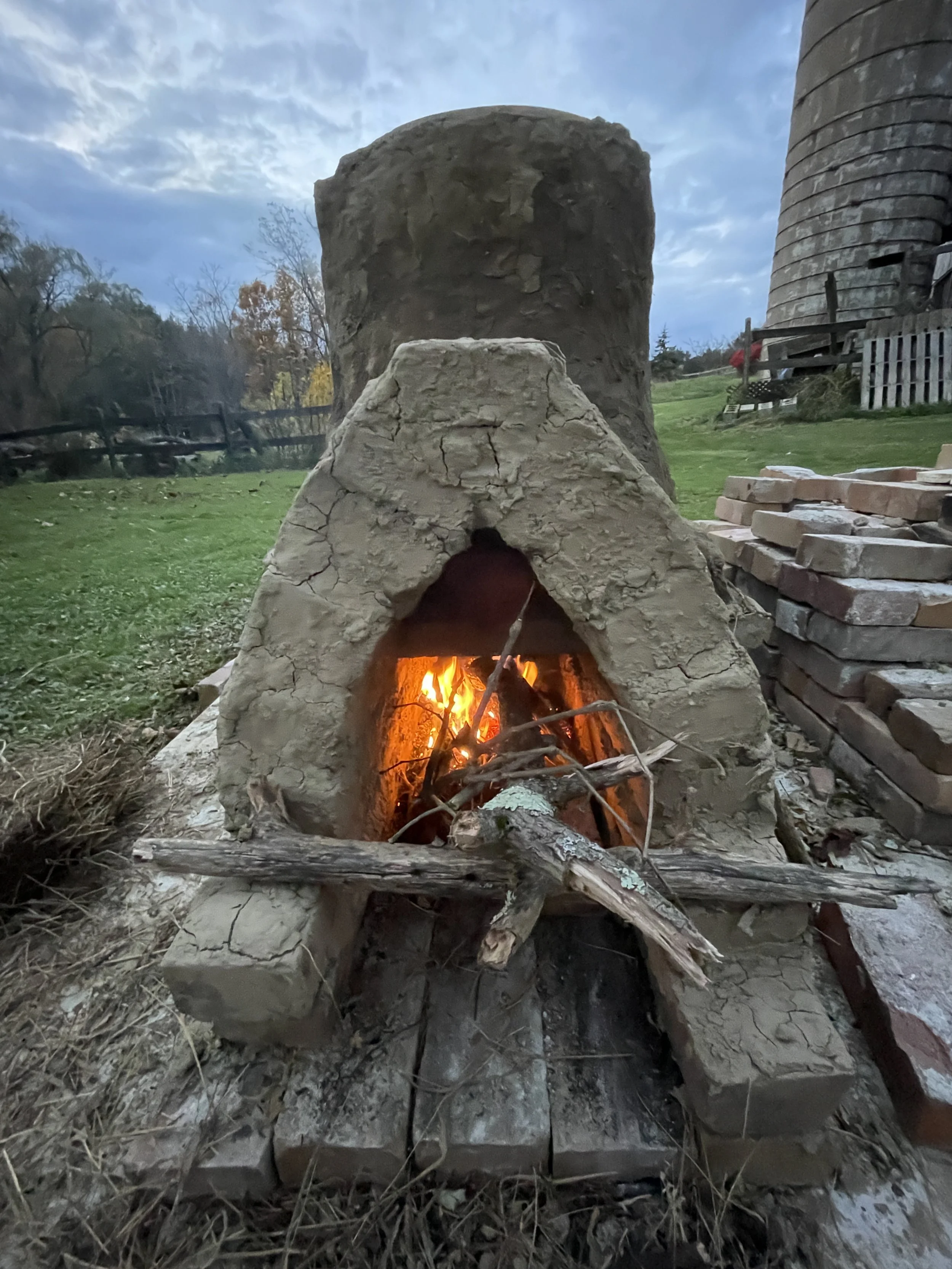
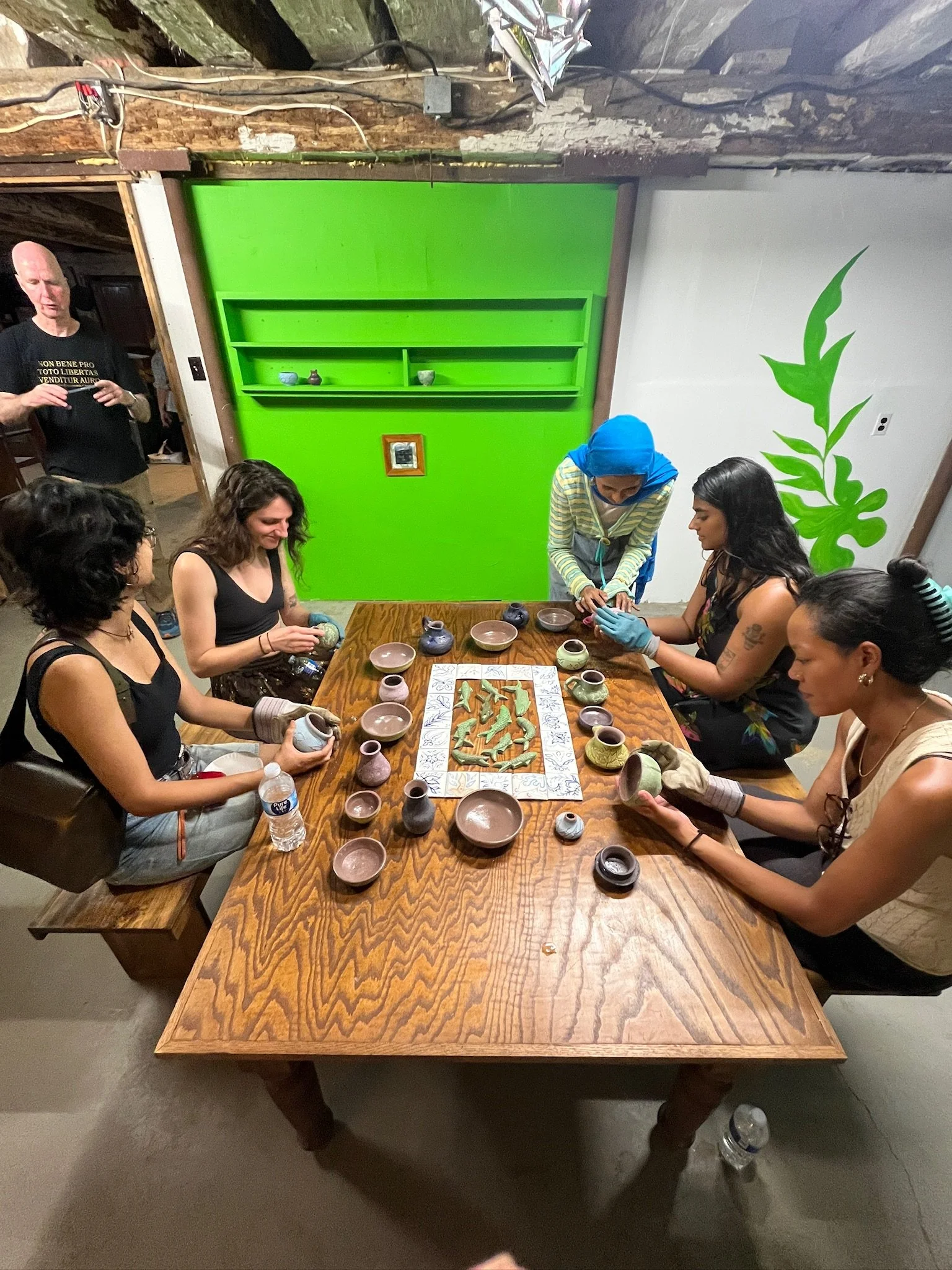
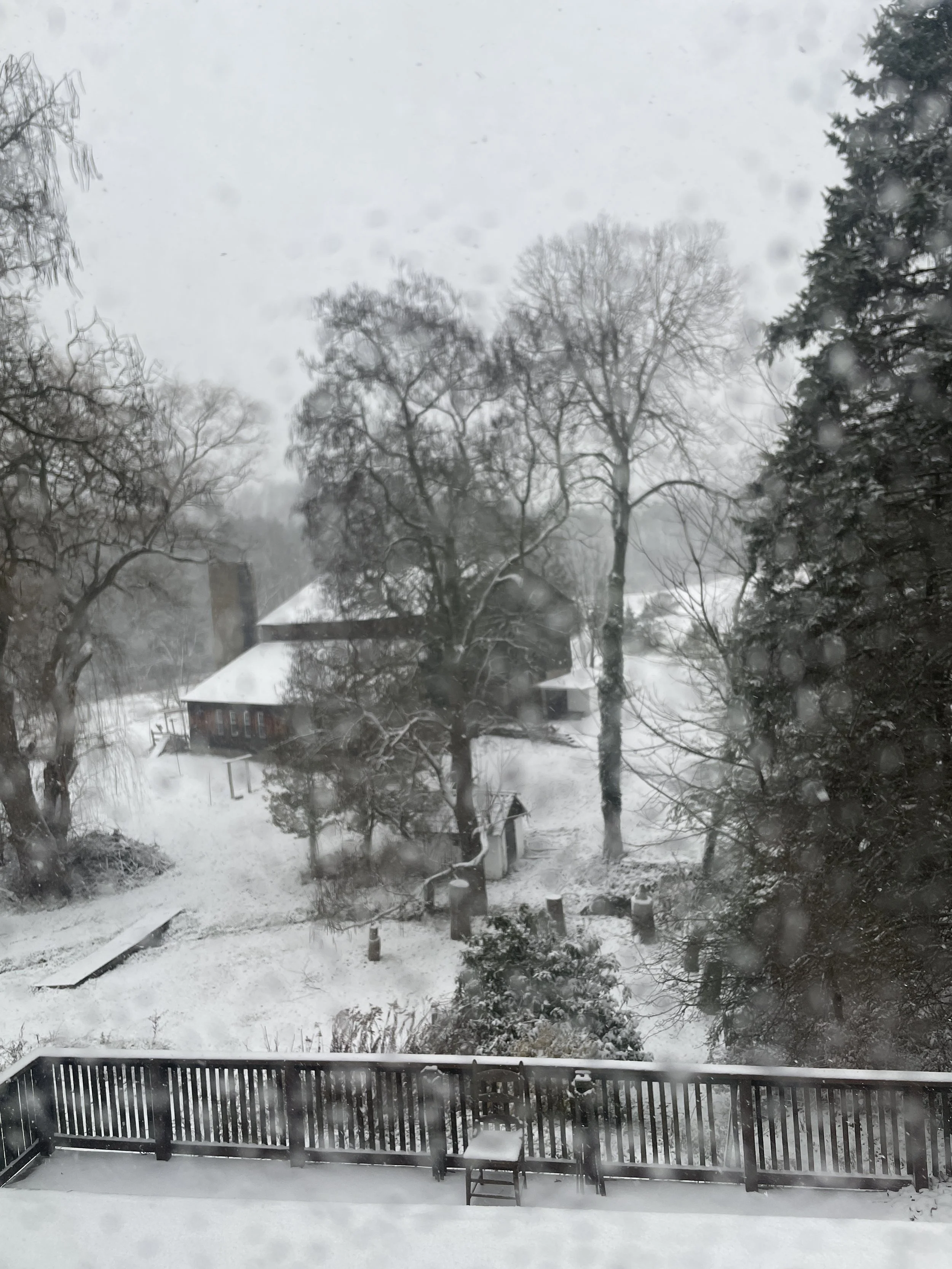
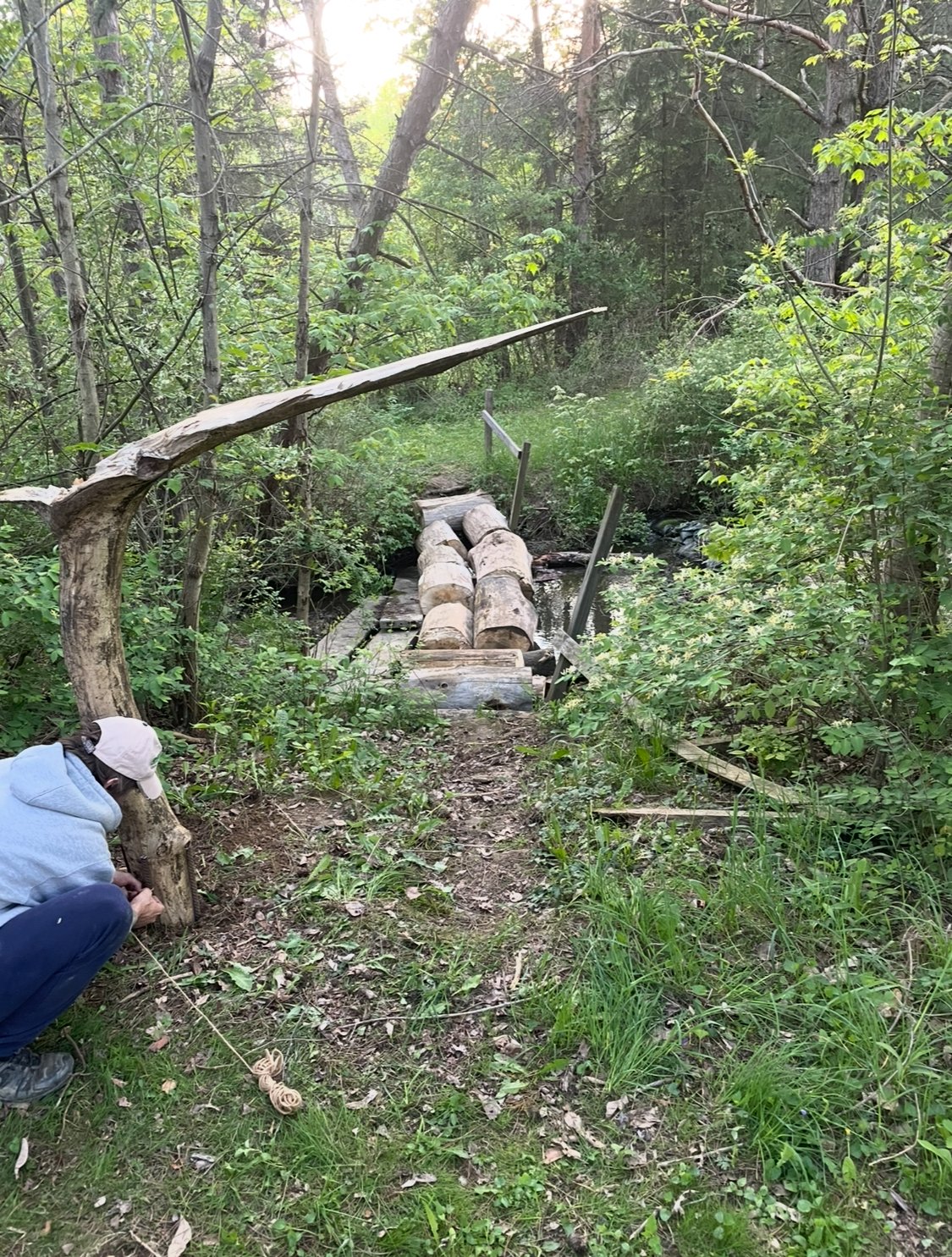
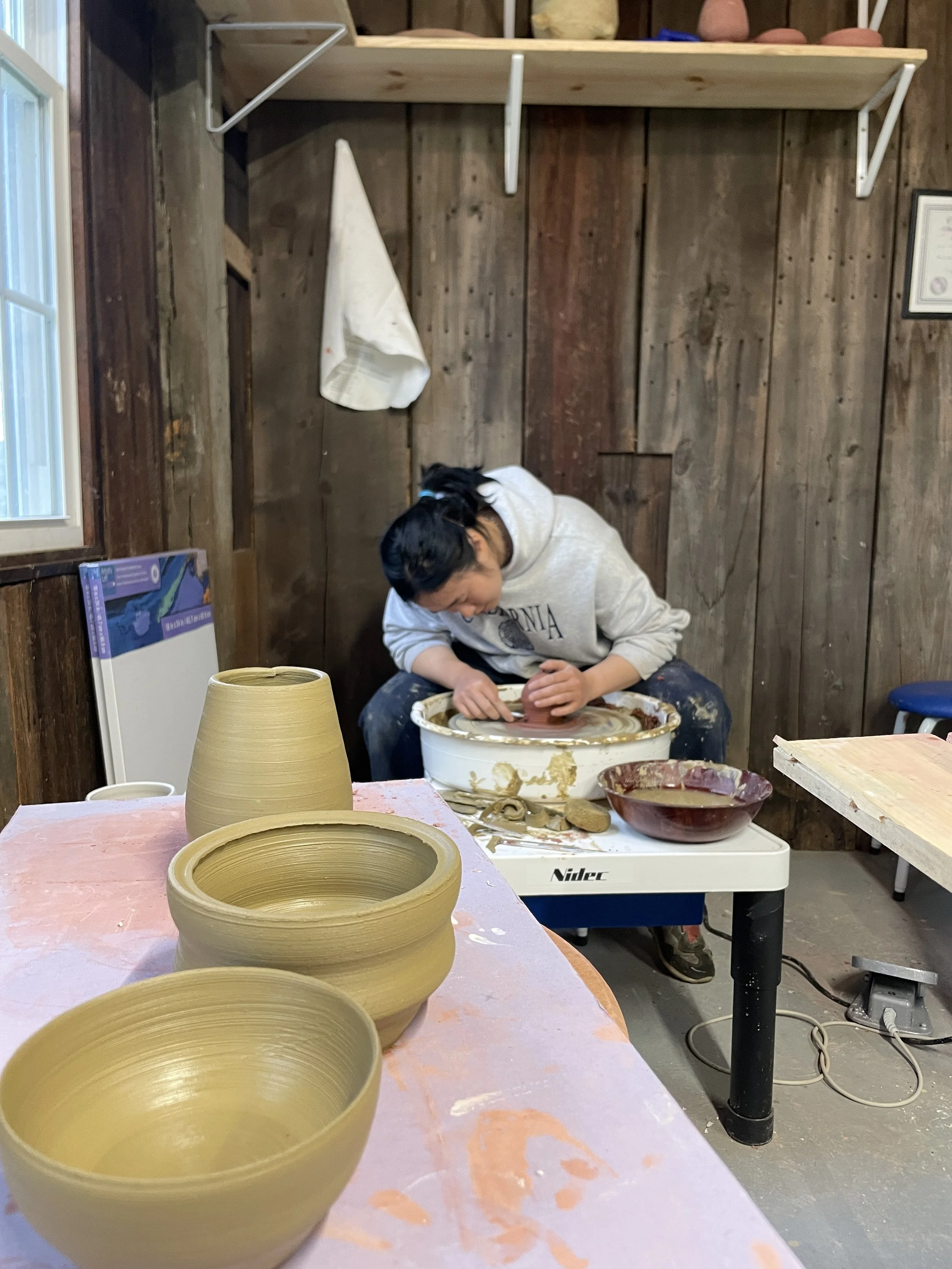
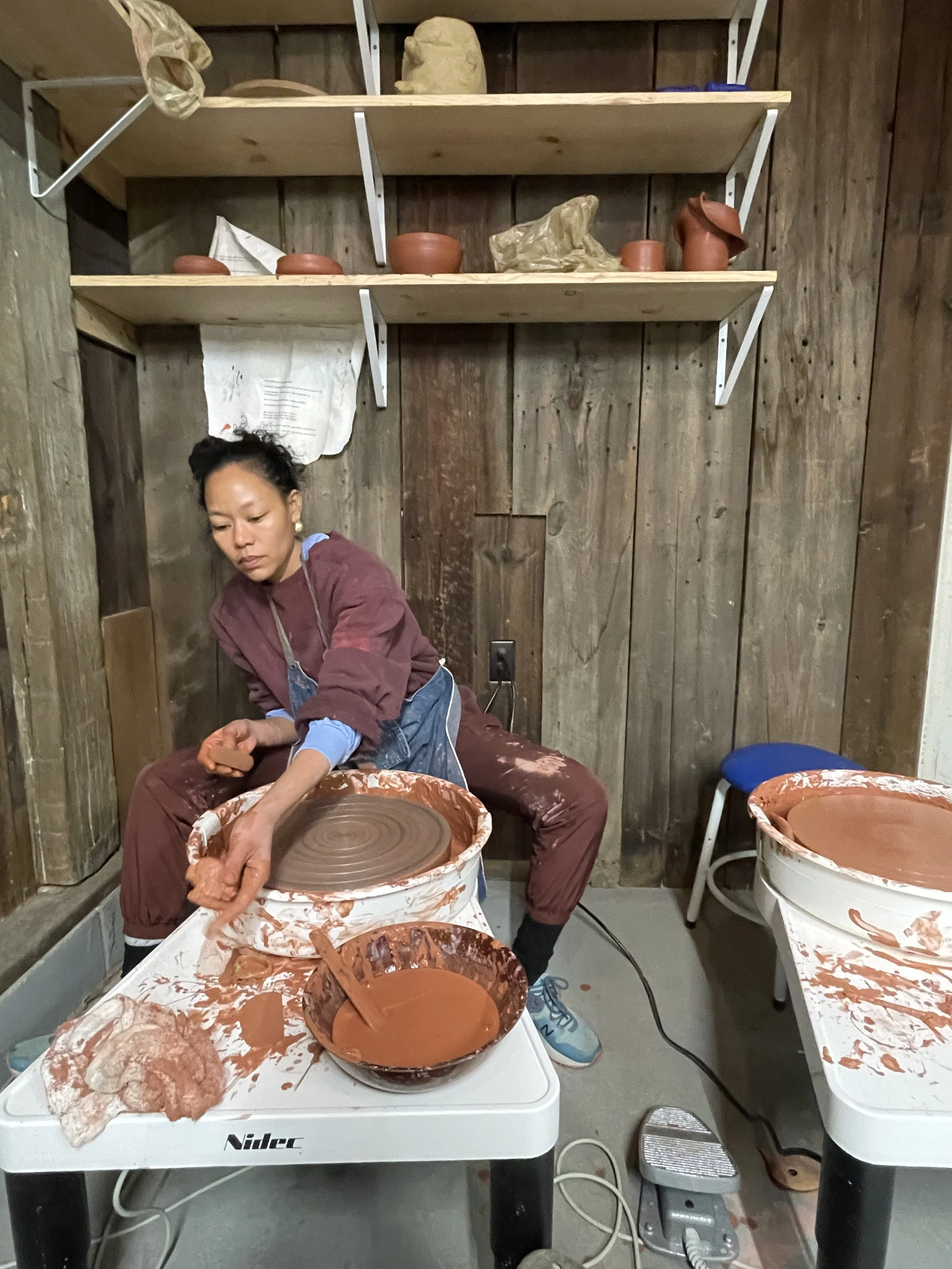
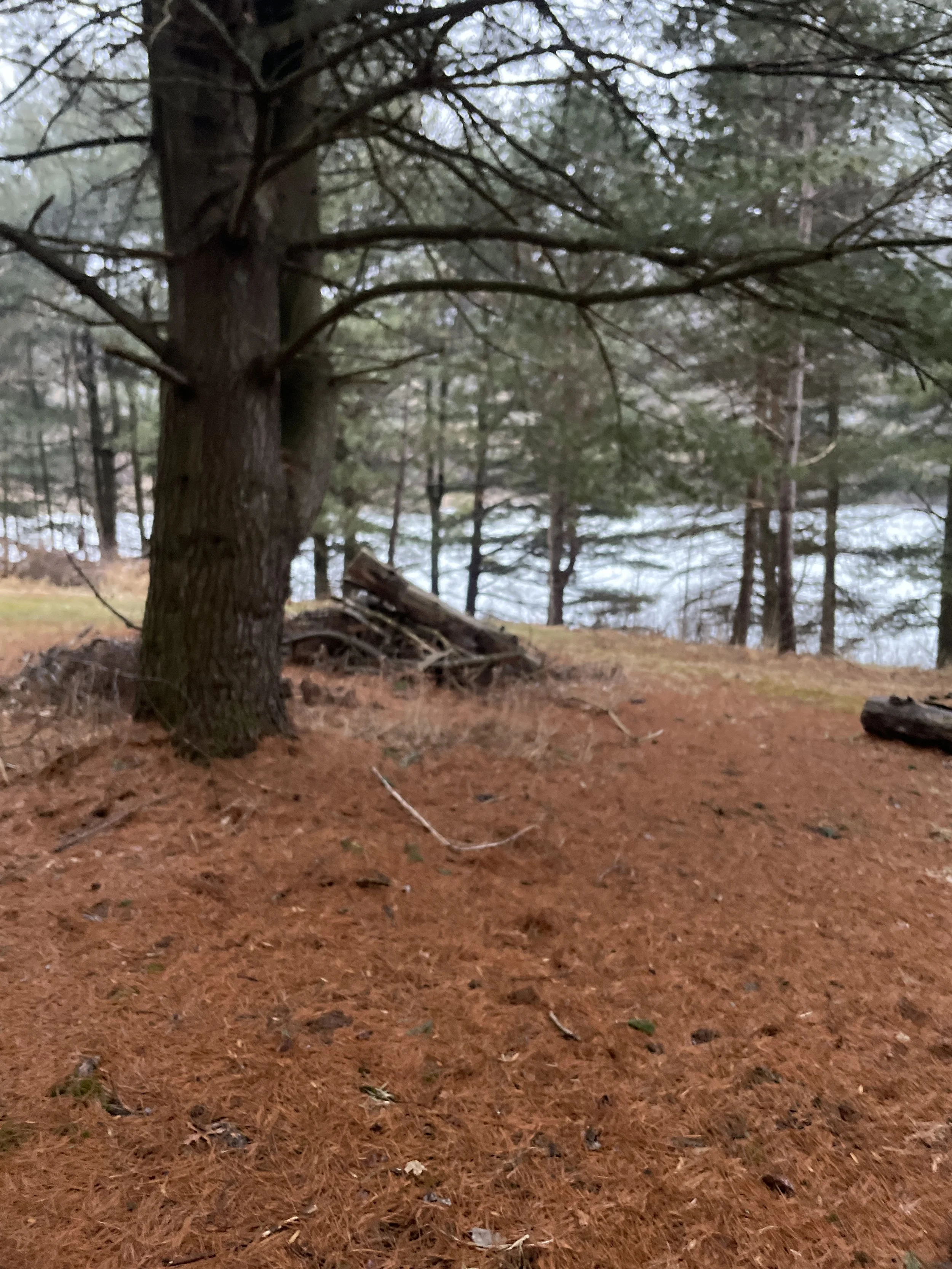
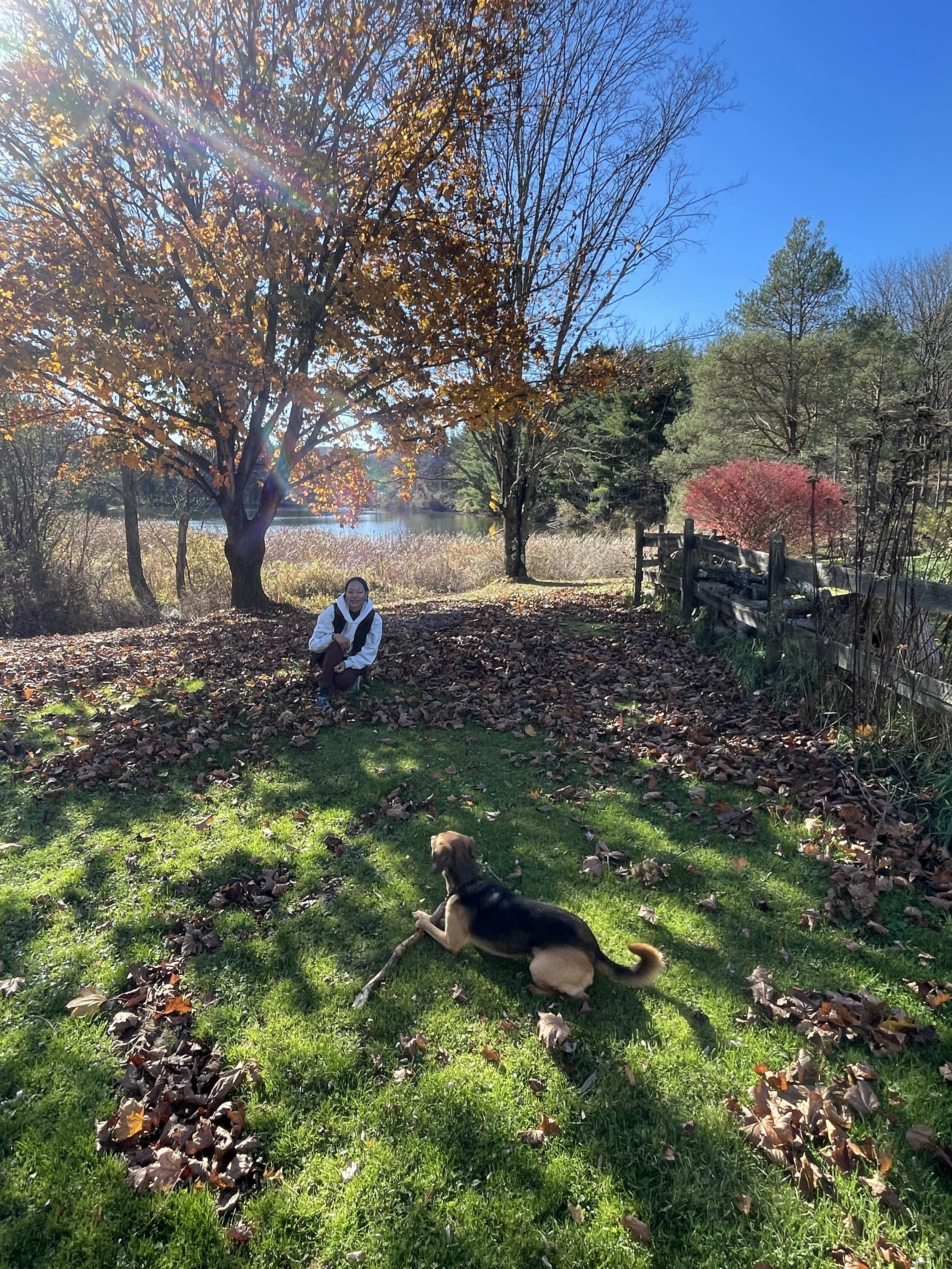
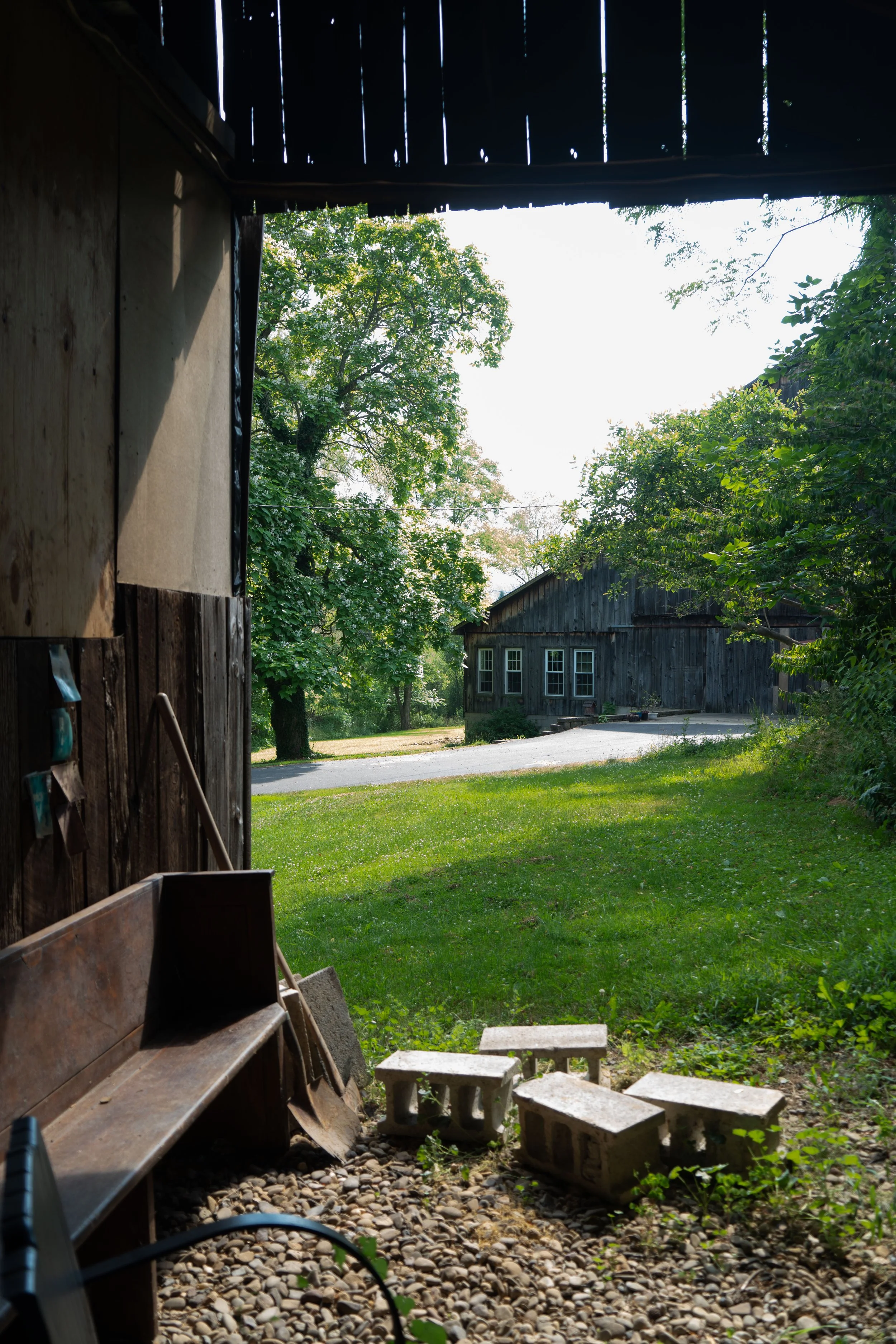
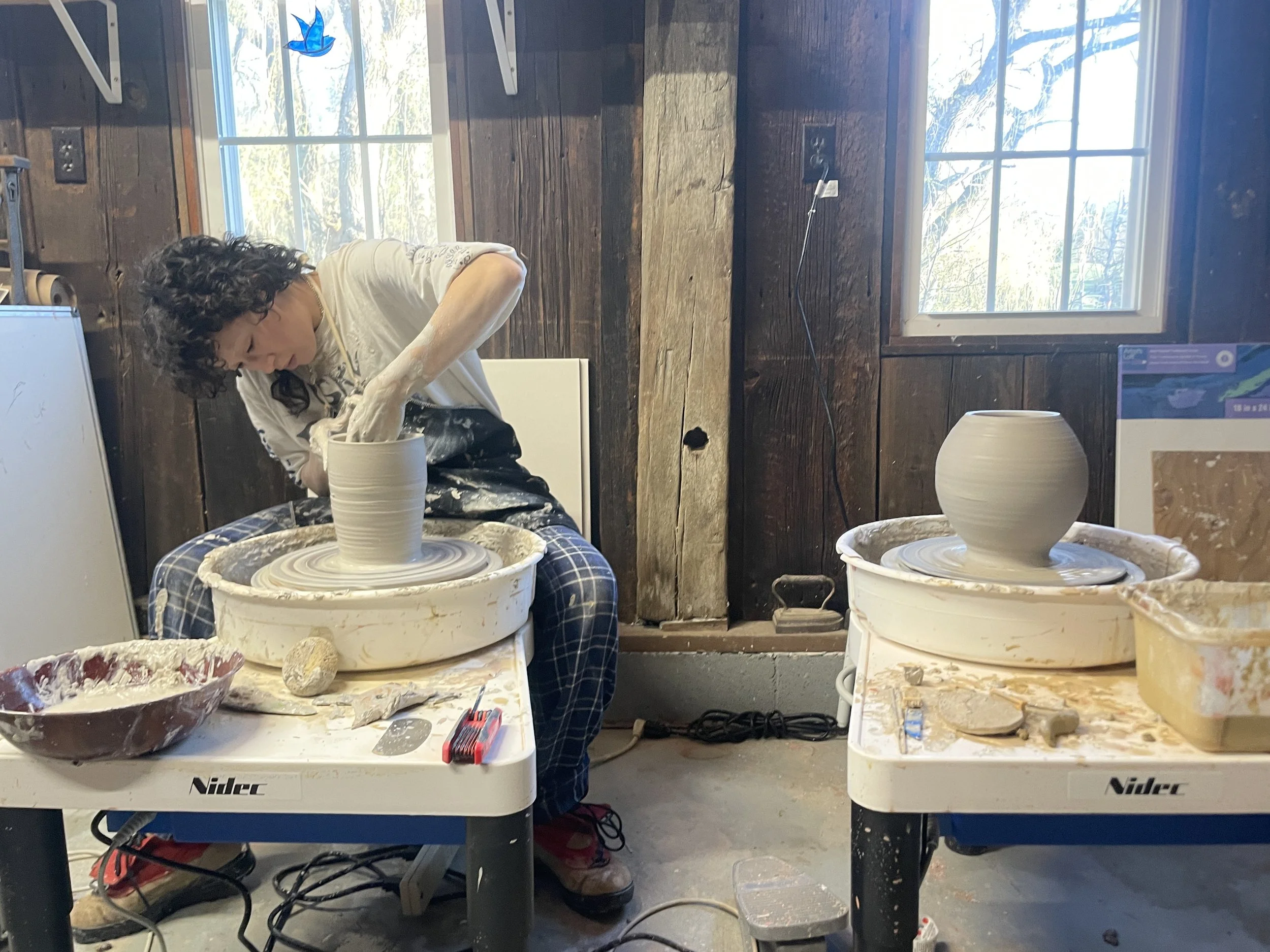
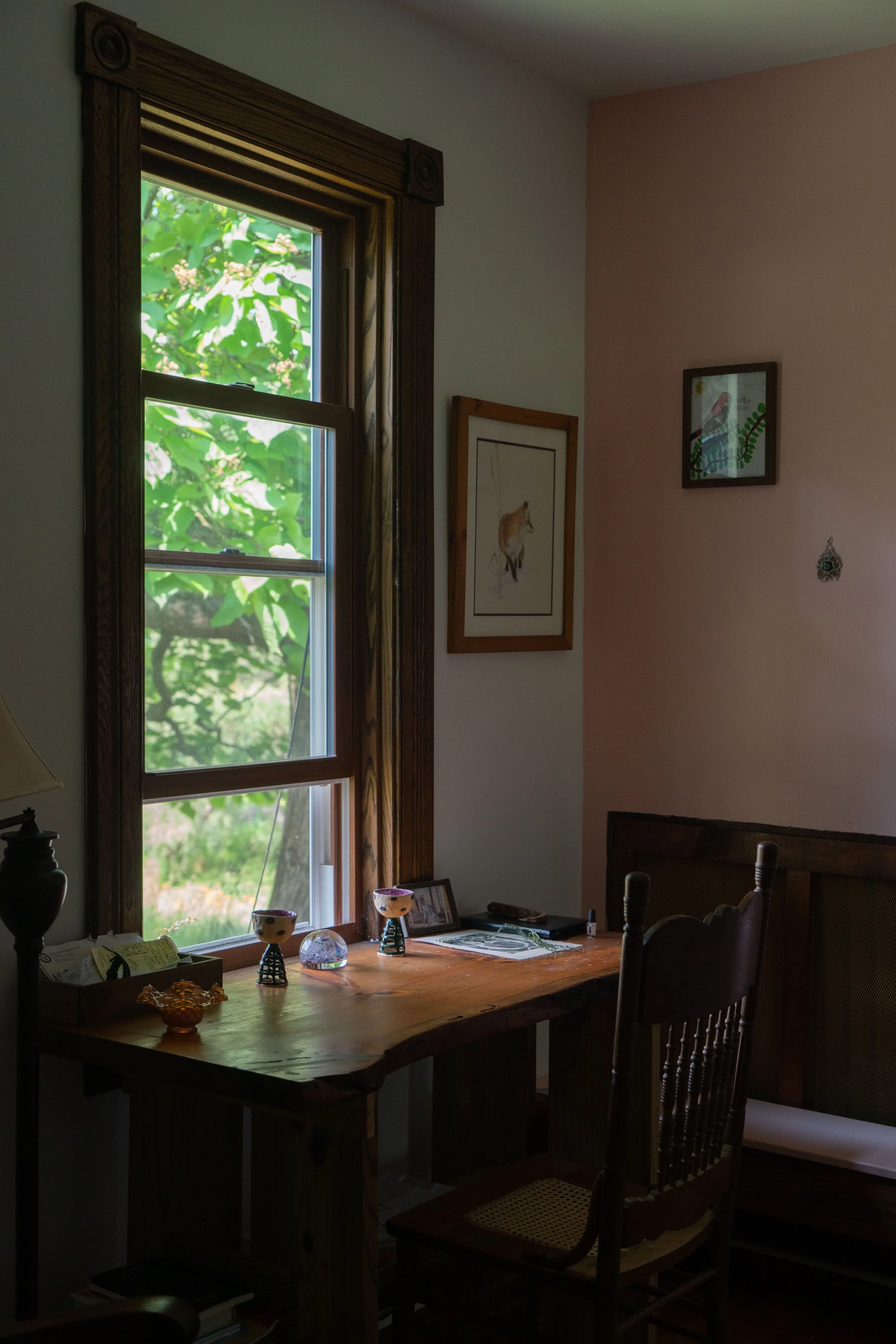
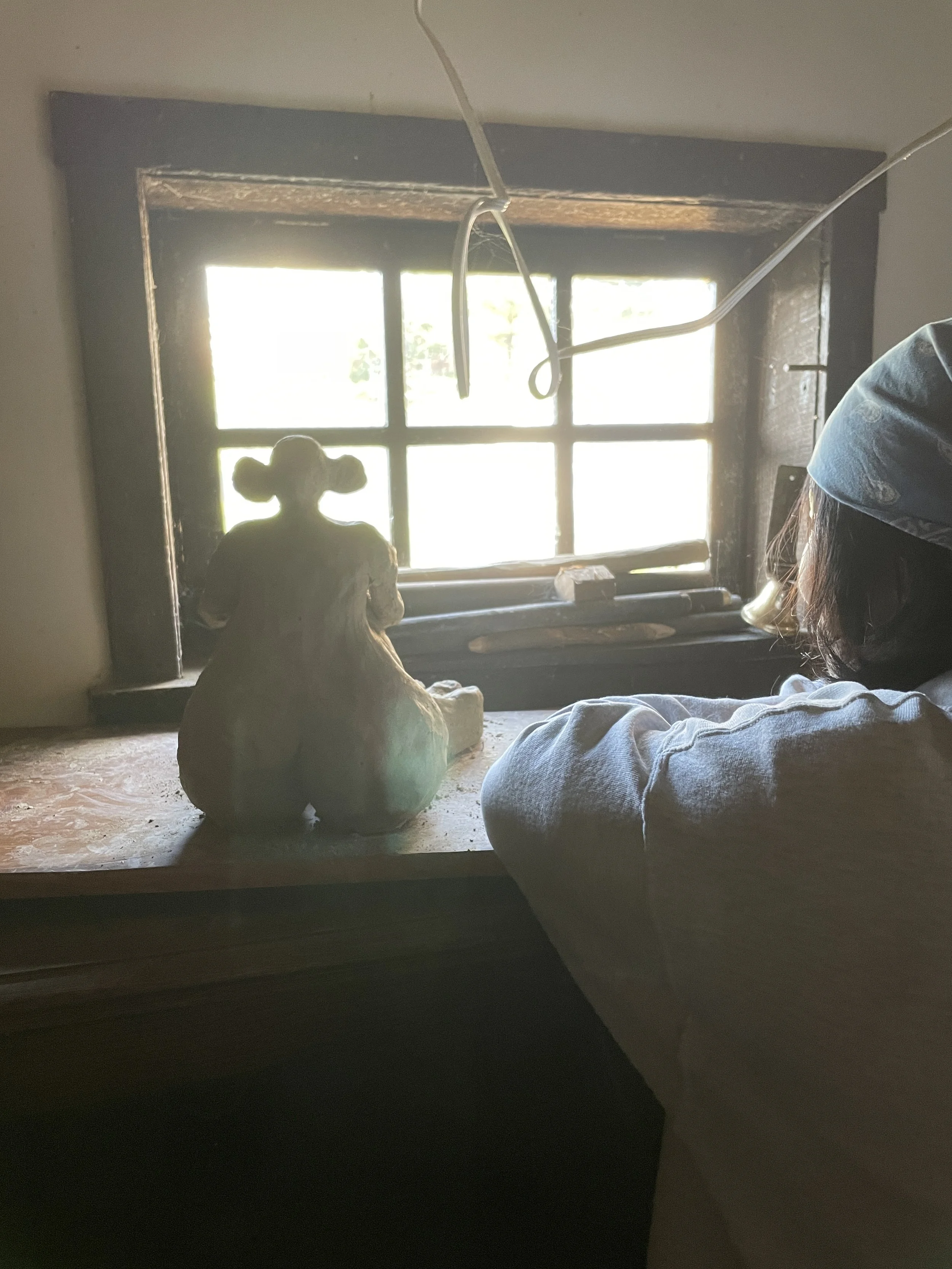
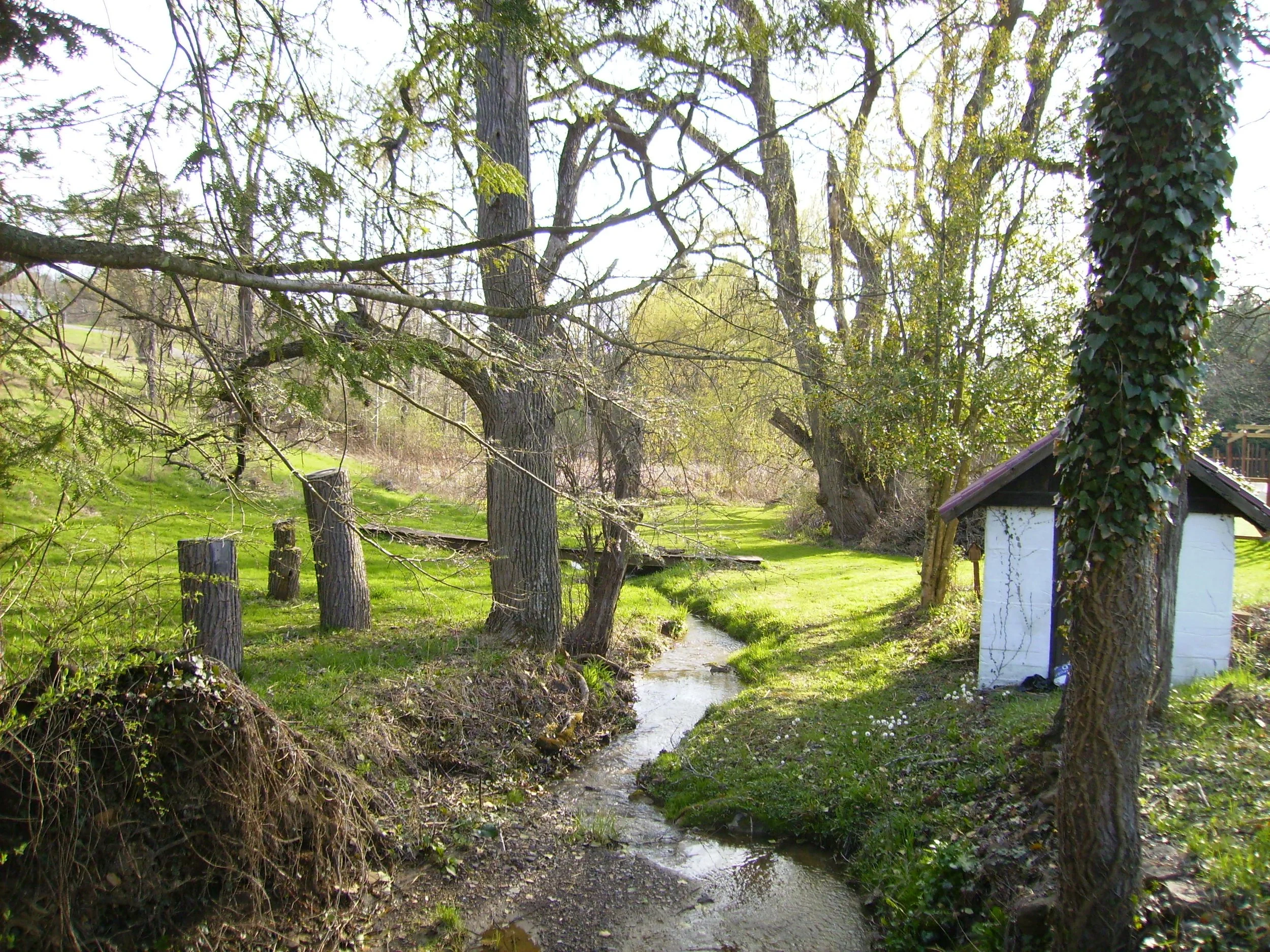
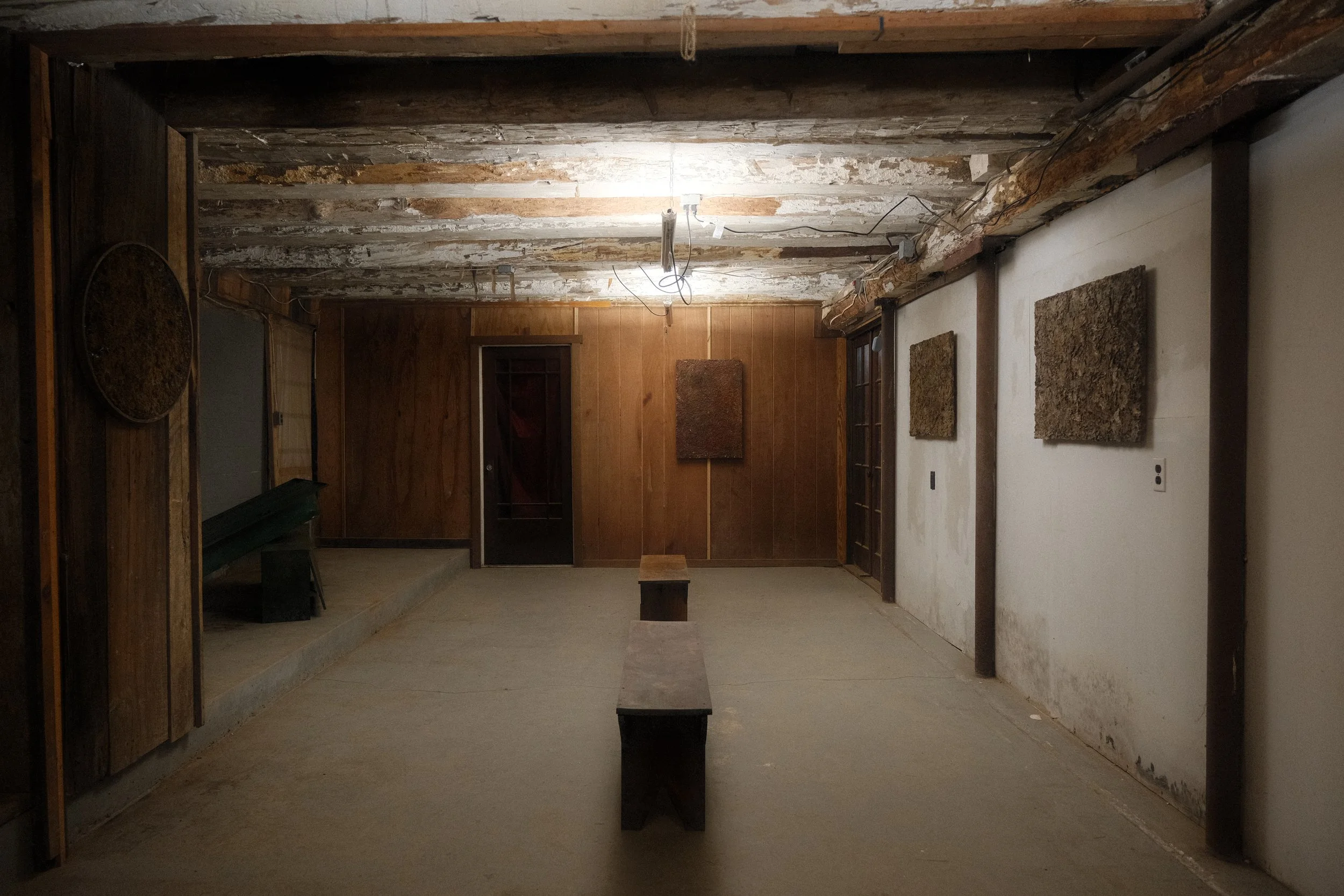
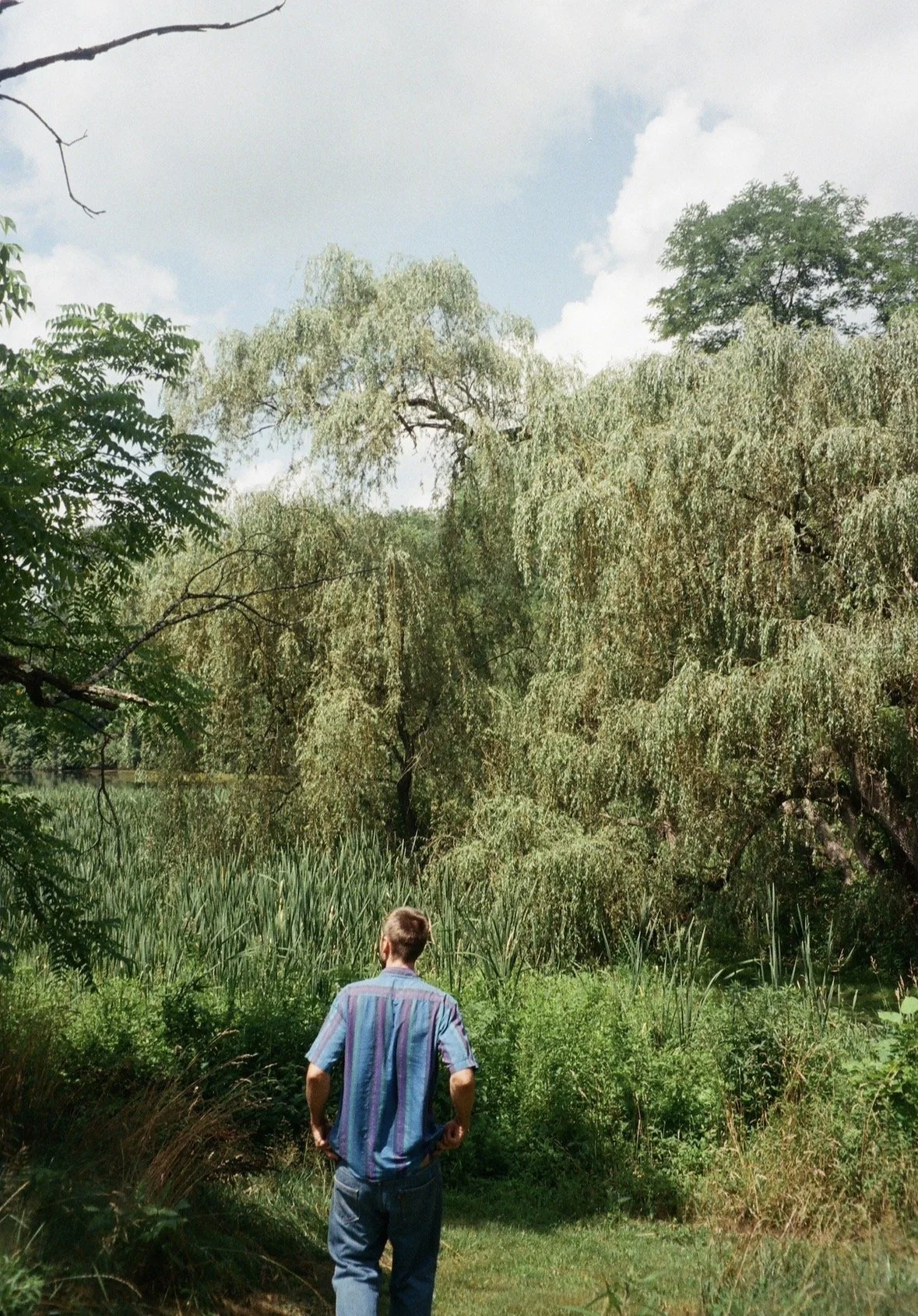
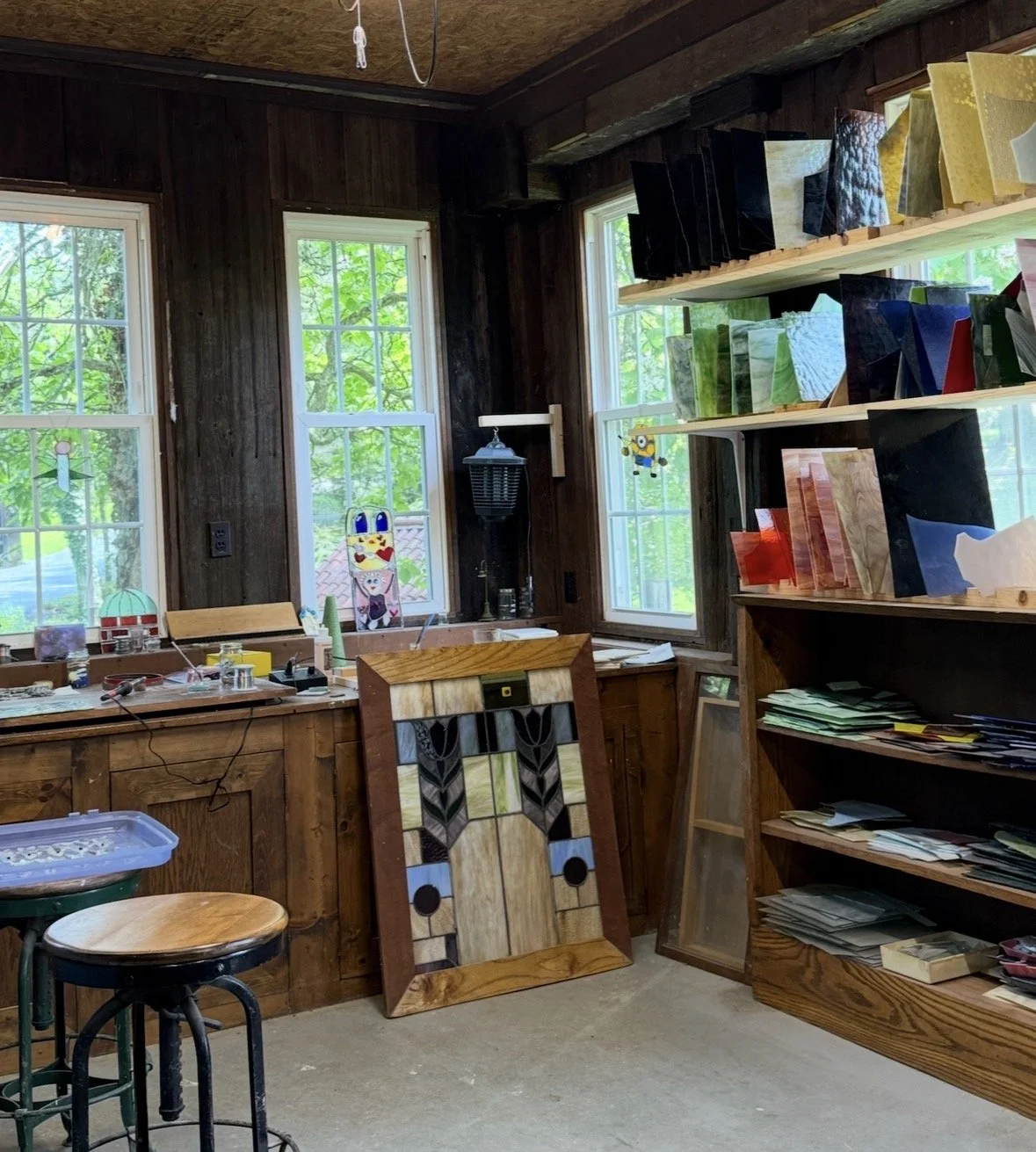
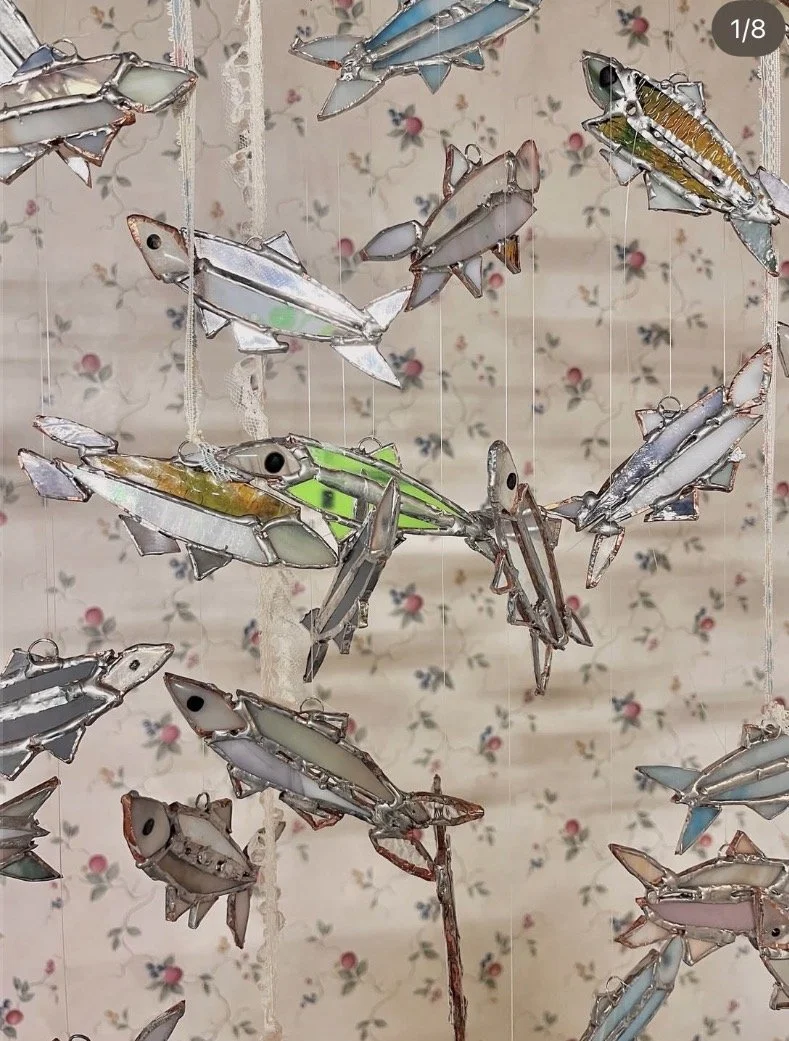
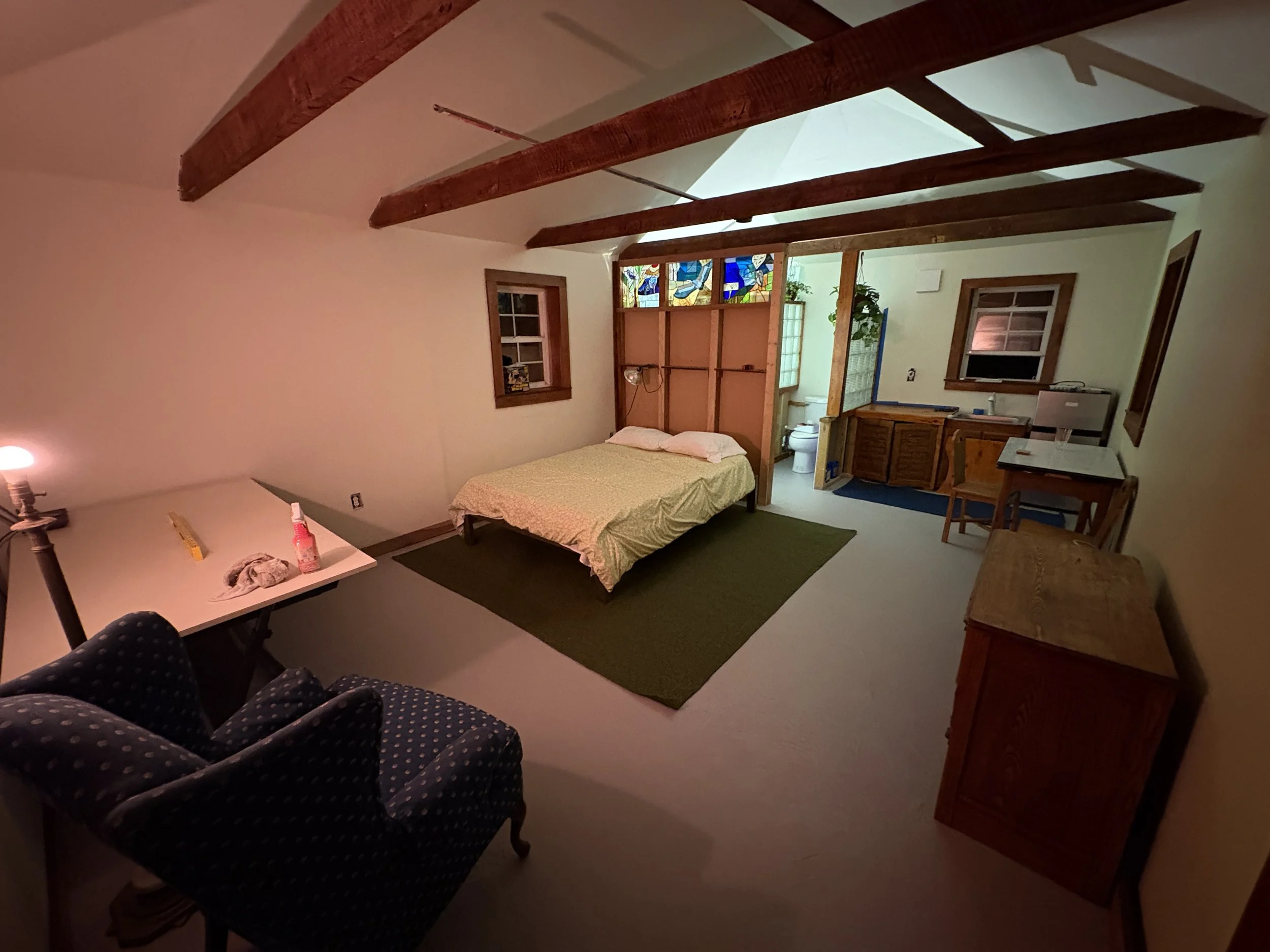
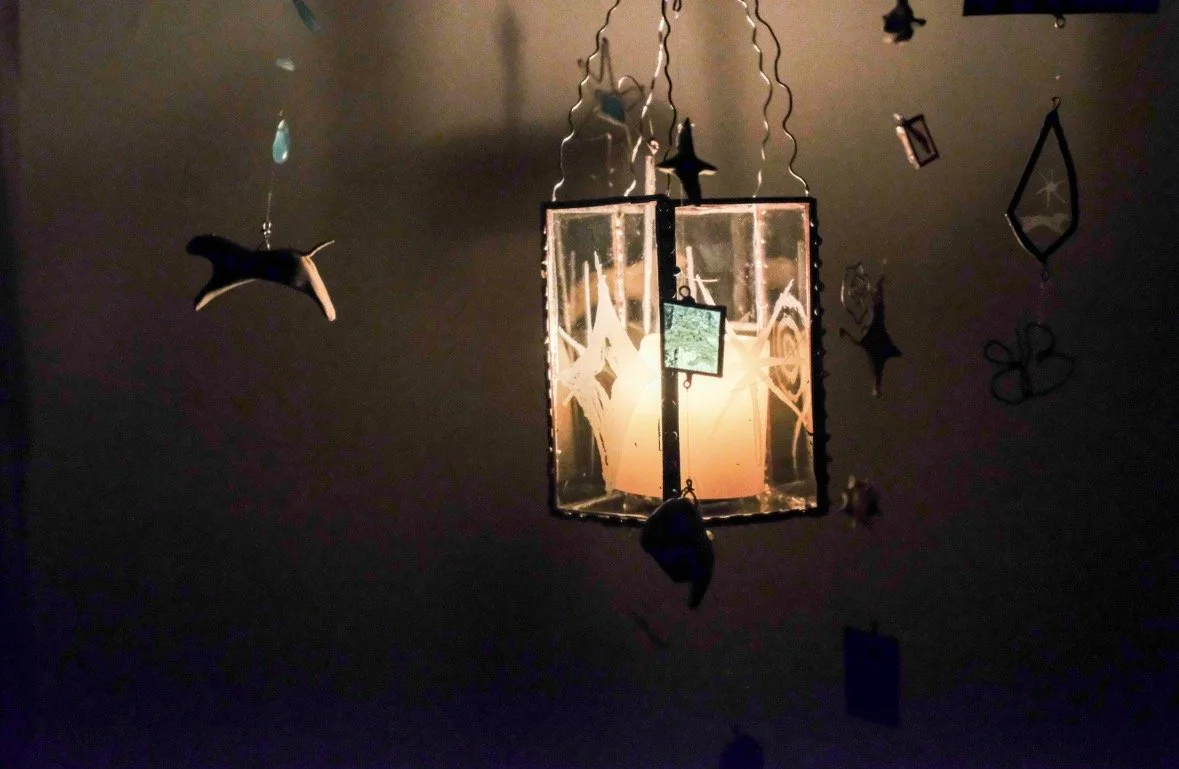
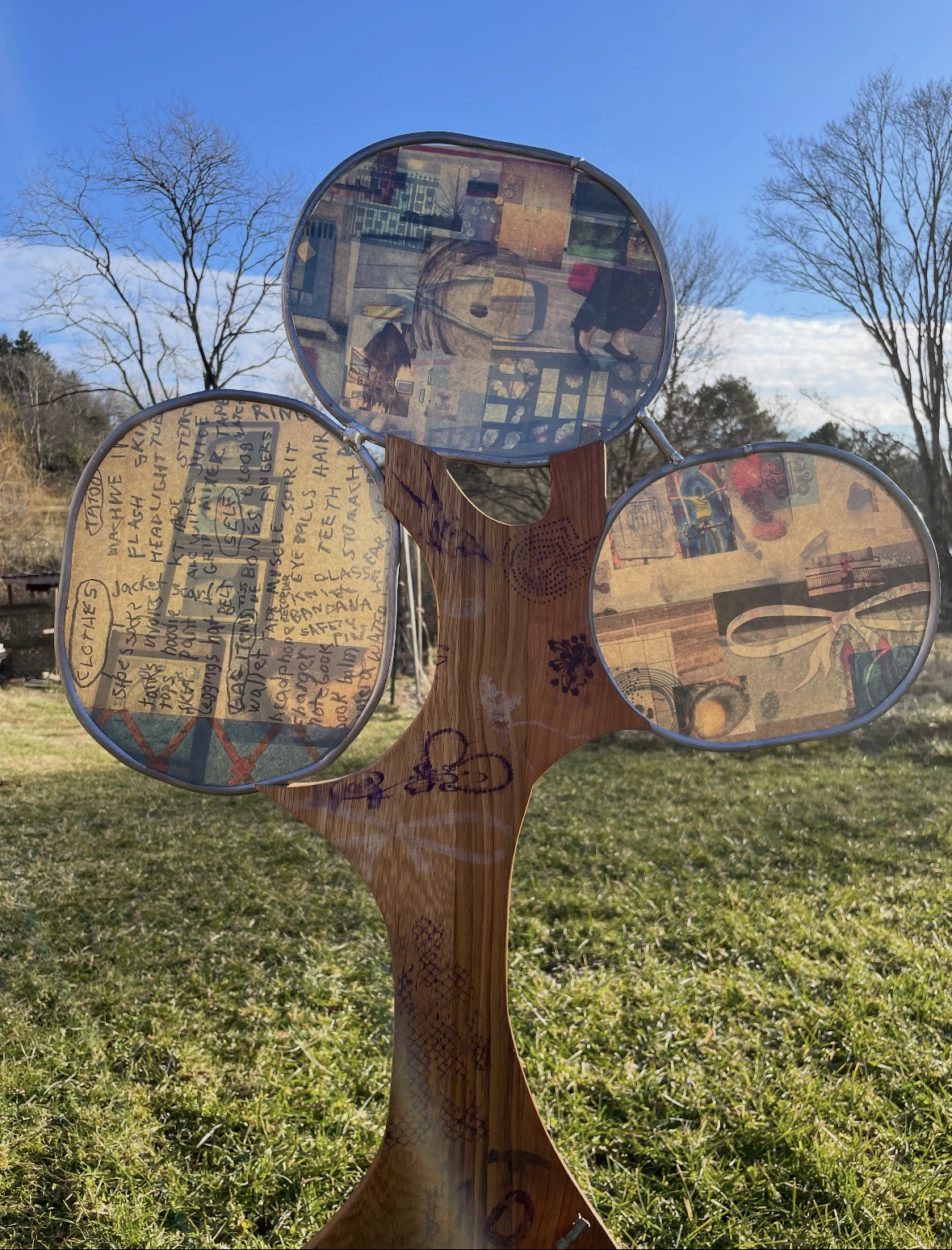
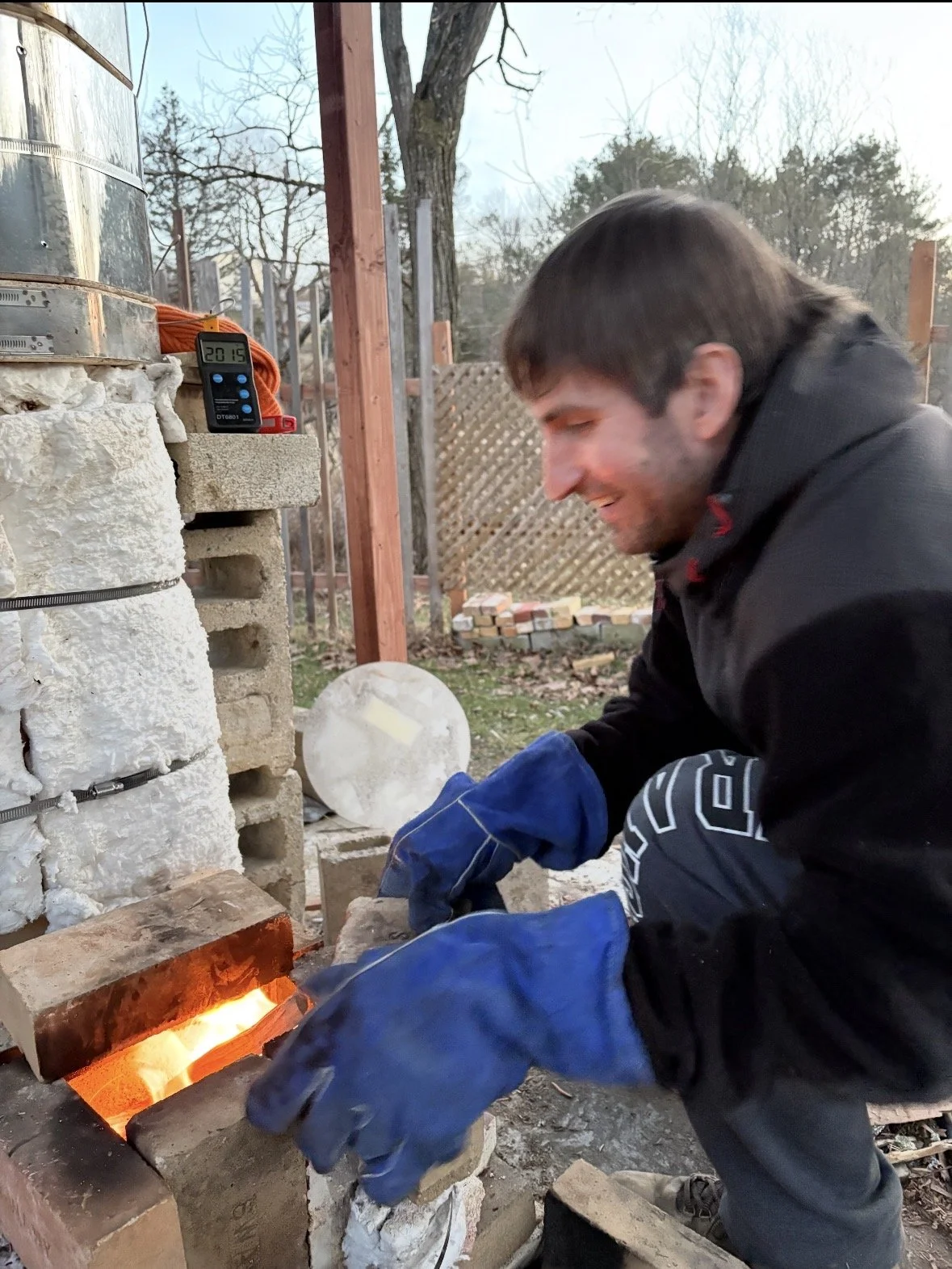
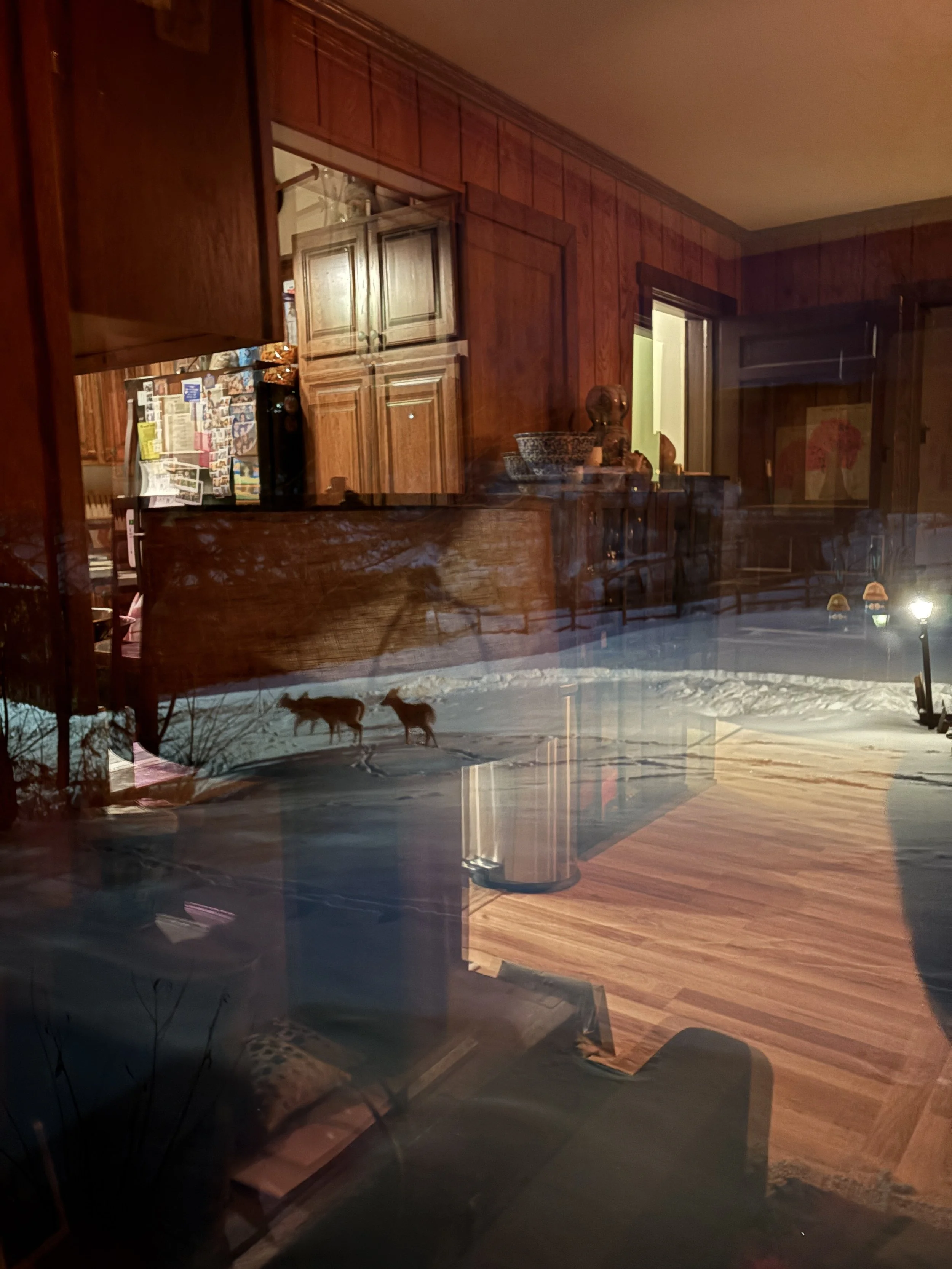
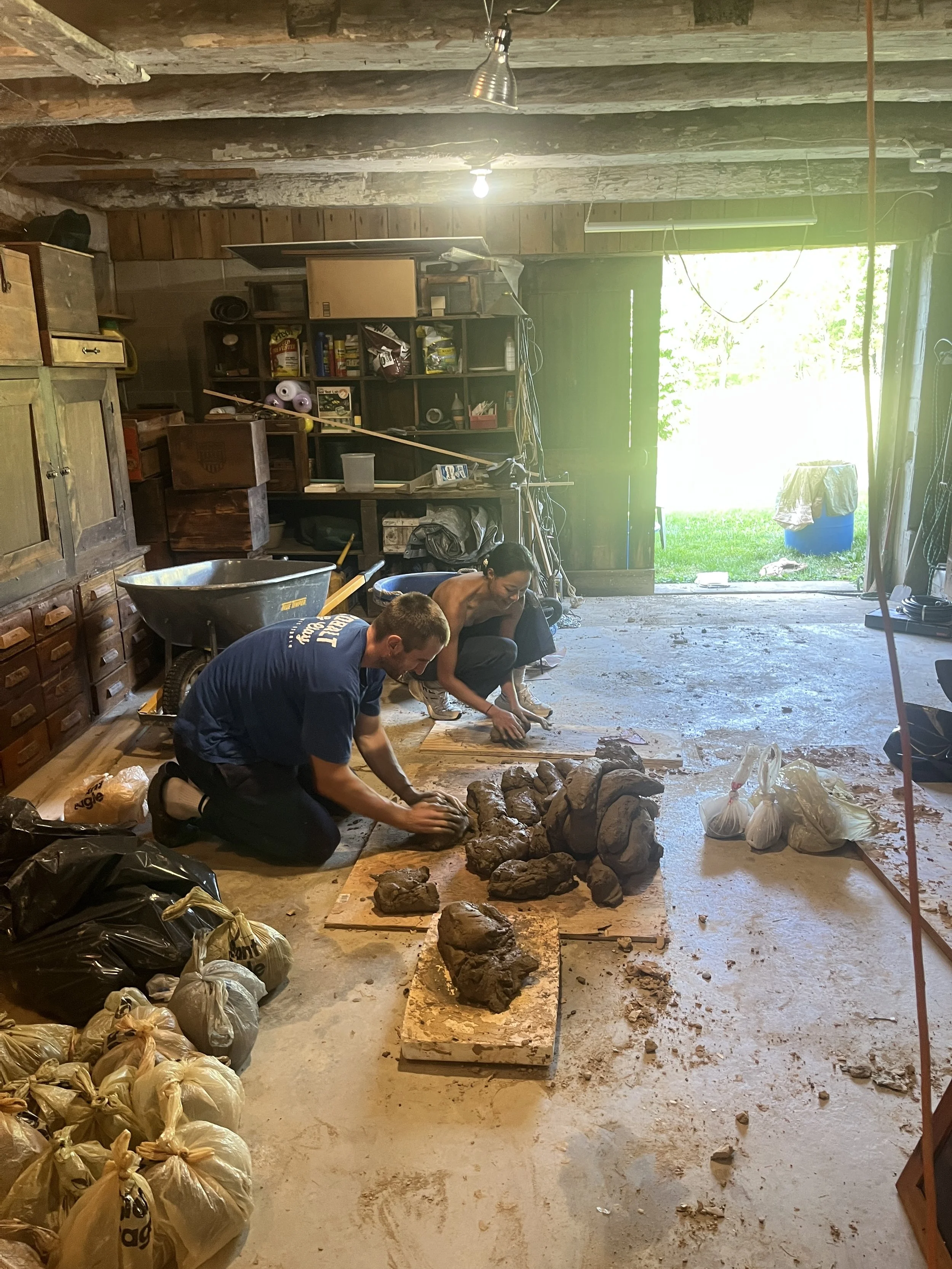
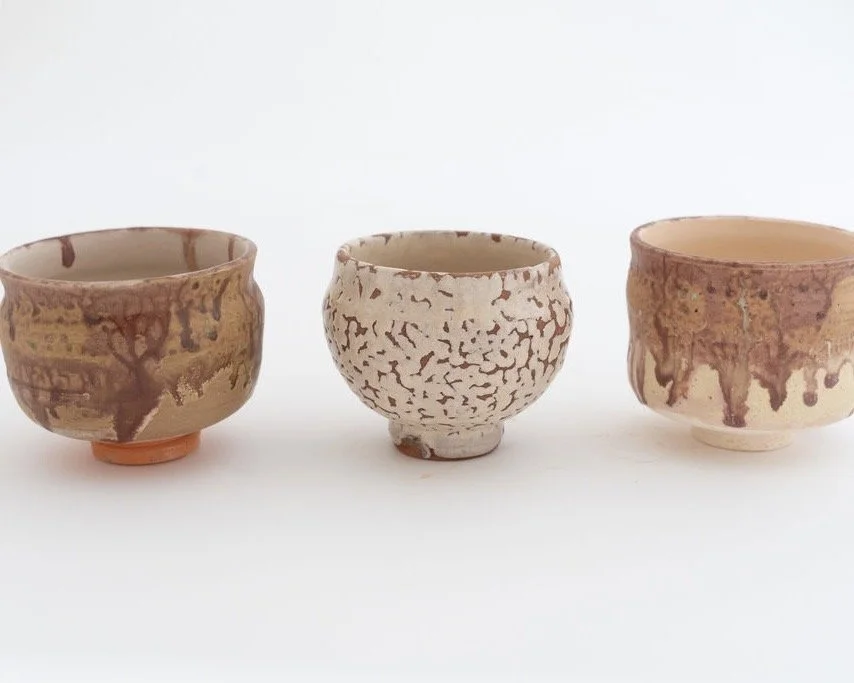
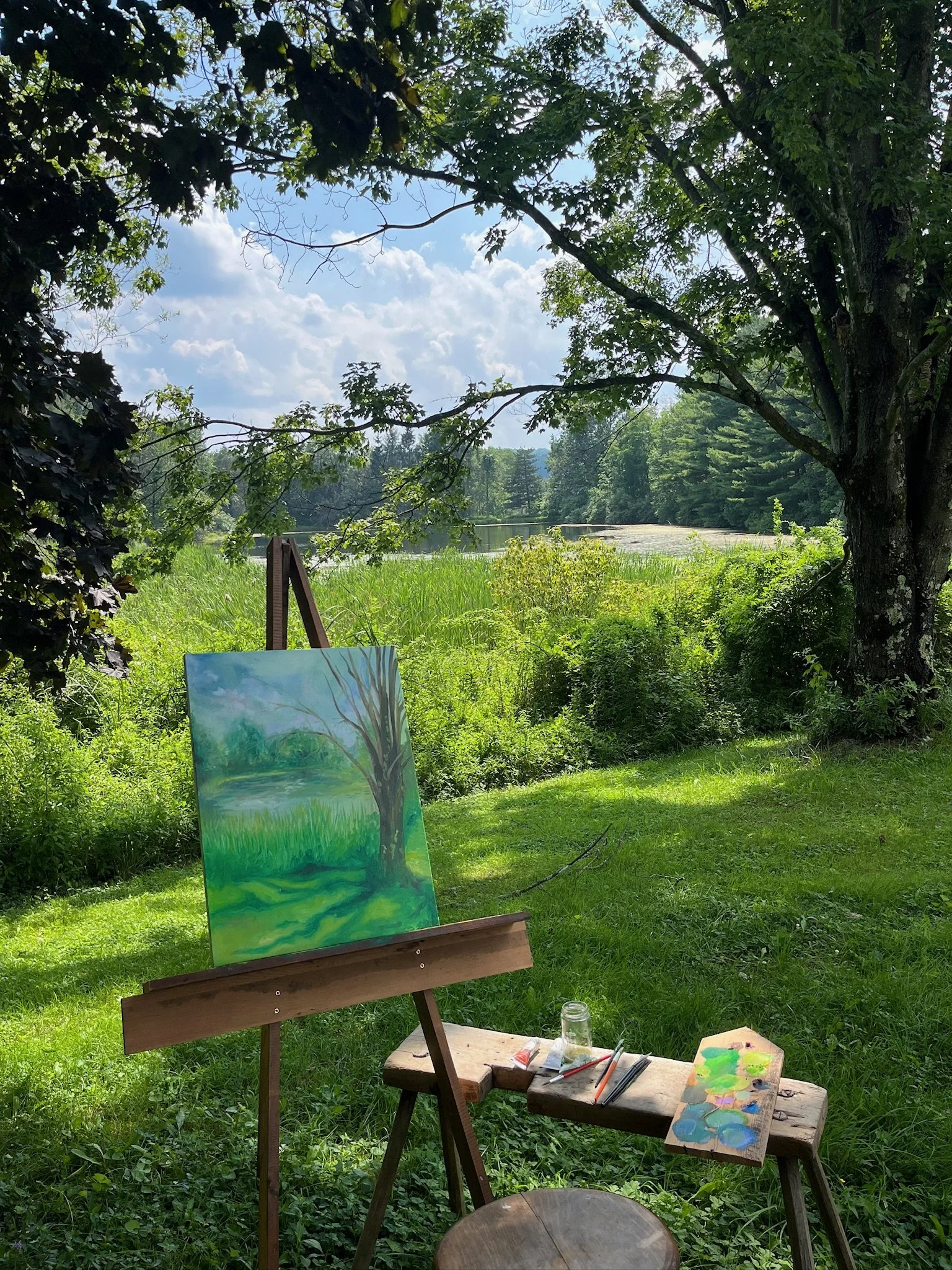
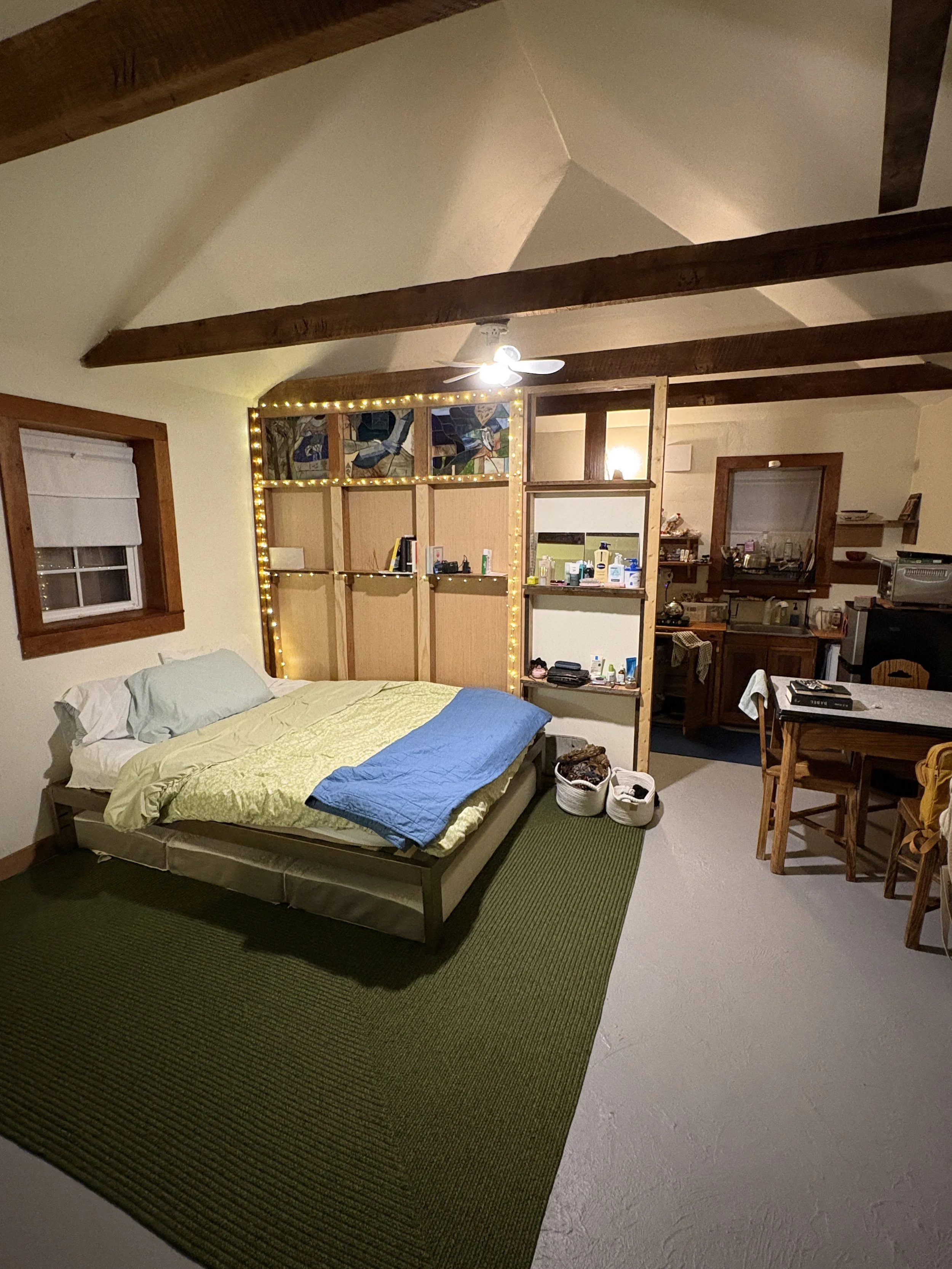
A Blue Farm consists of: the main house, two studio apartments, and three barns that house a full woodshop, glass and clay studios, 1,000 sq ft of indoor private studio space, another 1,000 sq ft of open air studio space, along with upcoming plans for an open air kitchen and community hall. A woodfire kiln is among the collection of pottery kilns, and the ten acres of land that extends west from the structures is currently expressed through angled fields, garden plots and walking paths through the wild. A blue heron tends to a 2-acre pond, which is surrounded by aging blue pines, creaking willows and young black walnuts; deer trails trace the edges of the property’s borders through blooming brush. It is both open and secluded here, with collaborative and supportive neighbors within 50-100 yards of each direction.
History
The Farm is situated between the county seat and university town of Indiana, PA and Clymer, PA, a small town founded in 1905 for the four foot vein of coal that runs under the land, with a vein of clay through it. Originally, the land was the home to the Shawnee and Seneca (of the Haudenosaunee), and later witnessed the arrival of the Delaware and many other native peoples under forced displacement by the American settler colonial state. Border lines were drawn and colonial ownership was established in the area through the treaty of Fort Stanwix in 1768, one of many conflicting treaties proposed by the English crown to claim territory, and then later reestablished by the newly independent colonies, a part of the continued settler colonialism, genocide and expansion into native lands after the upheaval of the US-British war.
In 1913, a farmer by the name of Debendurfer raised and trained workhorses on a tract of 162 acres in Indiana, PA. With the arrival of tractors by the 1920s, Debendurfer pivoted to dairy farming. By the 1950s, the land was reworked as a beef farm, with income supplemented by work in the local mines. In 1976, real estate developer Clyde Wells bought the land and re-housed Debendurfer, leaving the blue house and original barn structures and storage facilities up for sale.
That same year, Bob Millward–historian, author and newly hired teacher at IUP–purchased the 10-acre subdivision with the original structures from Wells. Kathleen Werner–teacher focused on social justice through a historical lens–joined him in 1979.
With support of family and friends, the open range of fields was replanted with trees. Flora found space to regrow and new pathways were established. An ecosystem–with the earthen dam pond at the center–returned. Over the next three decades, the original buildings were restored, maintained, and repurposed for woodworking, study, and lodging.
To visit was to unfold, learn, discover and create in conversation. Oral histories at the kitchen table, the whole-house library, light slanting through pines, archives of peoples’ histories, cultures and beauties—and the violence, revision and propaganda that work to undermine and erase them—the chests of artifacts and antiques, bullfrogs sounding beneath weeping willows, the priority of craftsmanship, the ringing silence of fallen snow, the peering smiles over good food and comfort. The grounds with the company and resources that fill them become an organic invitation into existential, social, and geopolitical awareness. The dissonance felt by exclusionary survival and the willful ignorance that muffles it become heavy carries to unpack.
Bob and Kathleen’s practice is a truth-telling upheld by academic commitment and deep interpersonal connections that allow for moments of honesty that change our capacity to think, to feel, to understand and thus love across lasting movements of solidarity. We tell stories, we make relics, we pose interventions to sense a belonging to that mood.
Bob and Kathleen remain a steadfast spirit of love, care, and justice in the region. They have allied with neighbors, community members and organizations to maintain a rich relationship with mutual aid, building a network of safety as people from all walks of life come to visit the farm and contribute to its living history and dialogue.
Now, with their retirement and move, their grand nephew, Nicholas Kasunic, artist and teacher, seeks to continue their work.
a blue farm dreams
Residents and volunteers are invited to contribute to ongoing farm projects that have been brought forward by our growing community, voted on by the board of directors and are meant to enhance the land’s capacity for hosting those that can benefit and invest in its offerings.
Completed Projects of 2025:
Former grainhouse rebuilt for artist residence
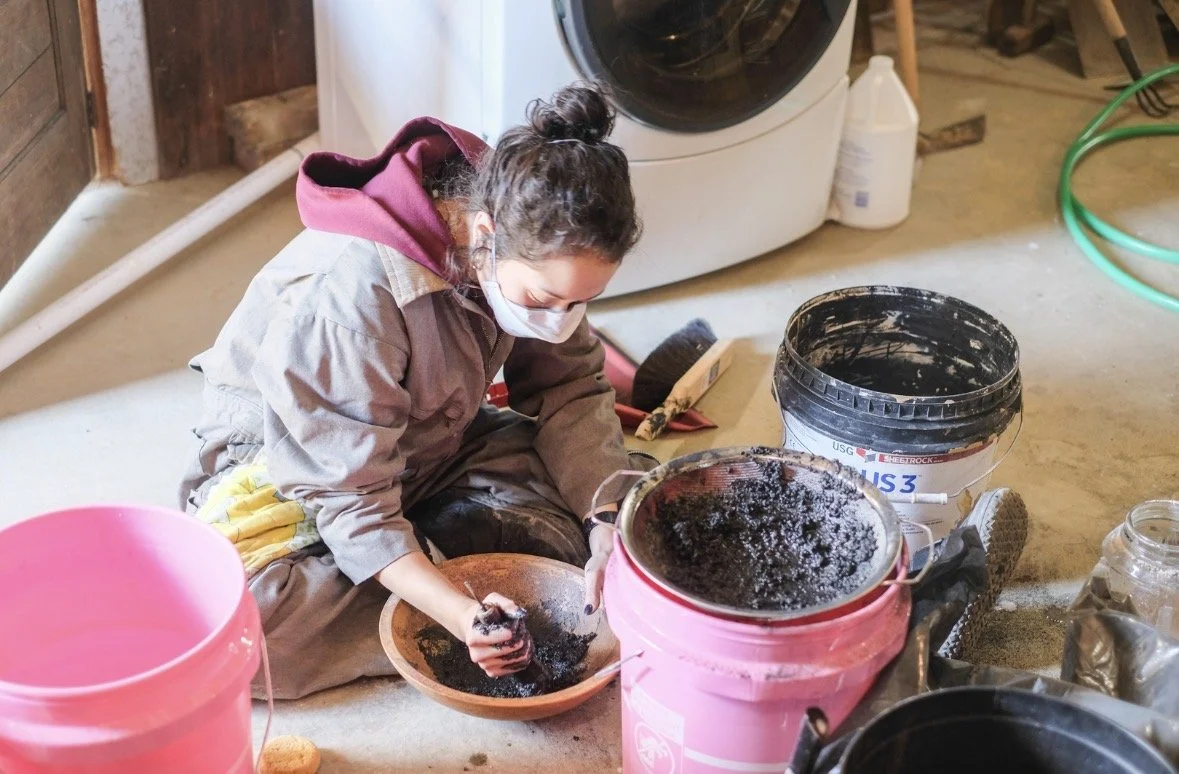
On-site clay mining system
Wood shop build
Pottery studio build
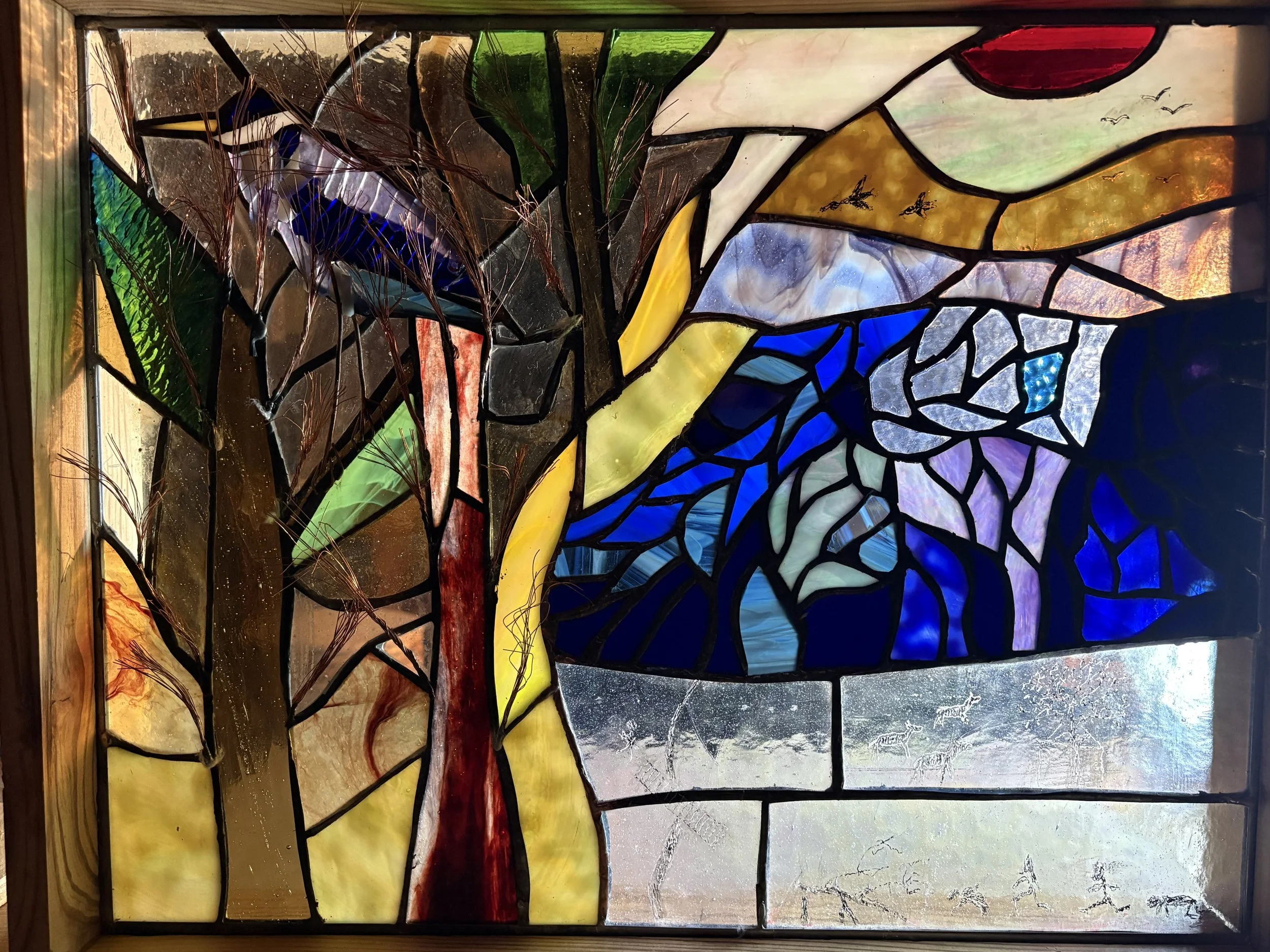
Glass studio build
Garden plots established
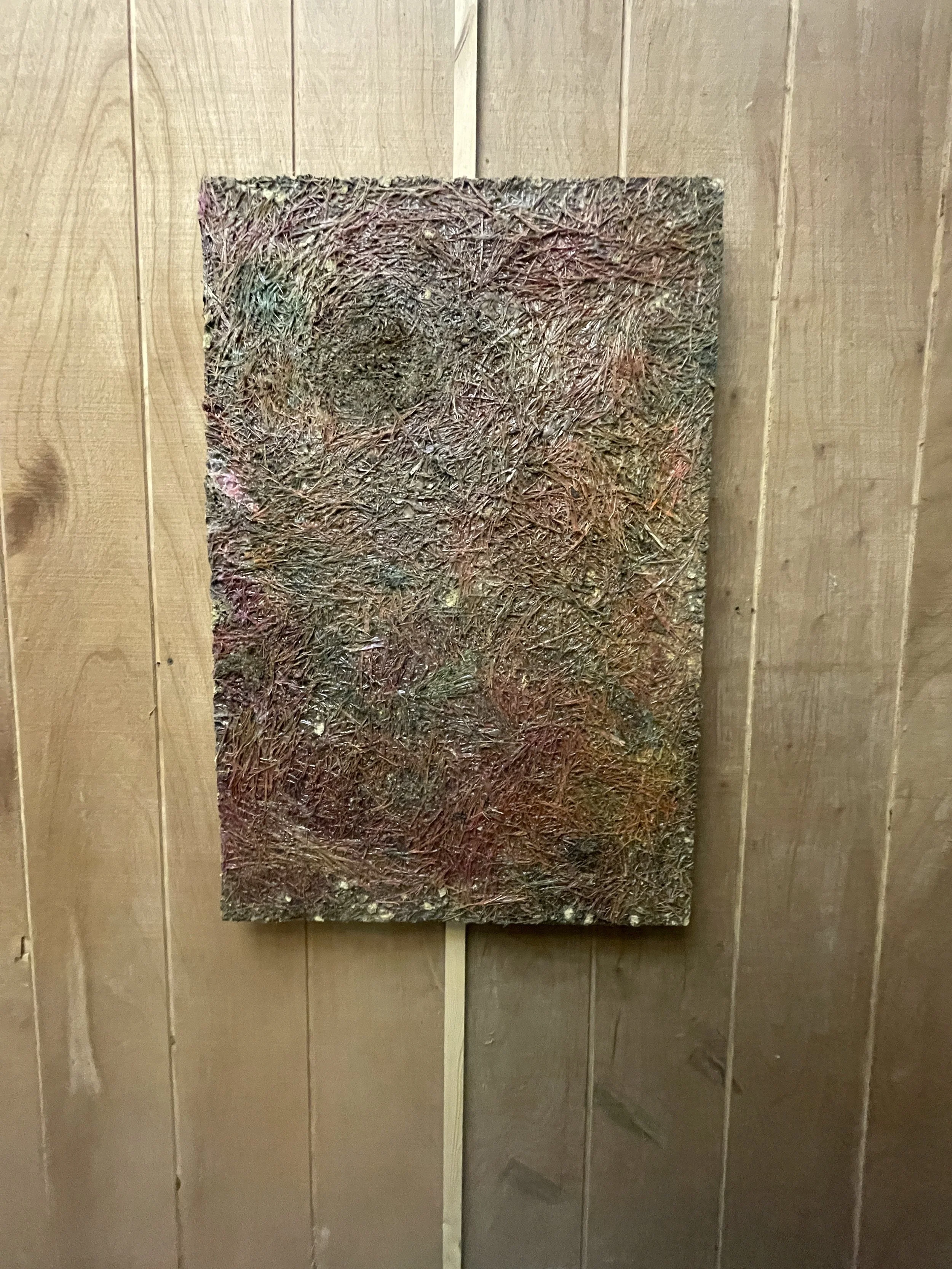
Gallery opening
Outdoor wood fire and propane kilns built
Indoor electric kiln room
Upcoming Projects of 2026
Former milk house rebuilt for artist residence
Open air kitchen in pond field for high capacity cooking
Clear upper barn for studio space
Dark room build in upper barn
Small press in upper barn for quarterly publication
Upper barn movement
Campfire/community area + dock for pond
Pine bed decks
Hillside 3-season huts
Dock for paddle boat
Board of Directors
We are a working board. We volunteer our time, skill and expertise to the development of A Blue Farm’s mission, culture and sustainability.
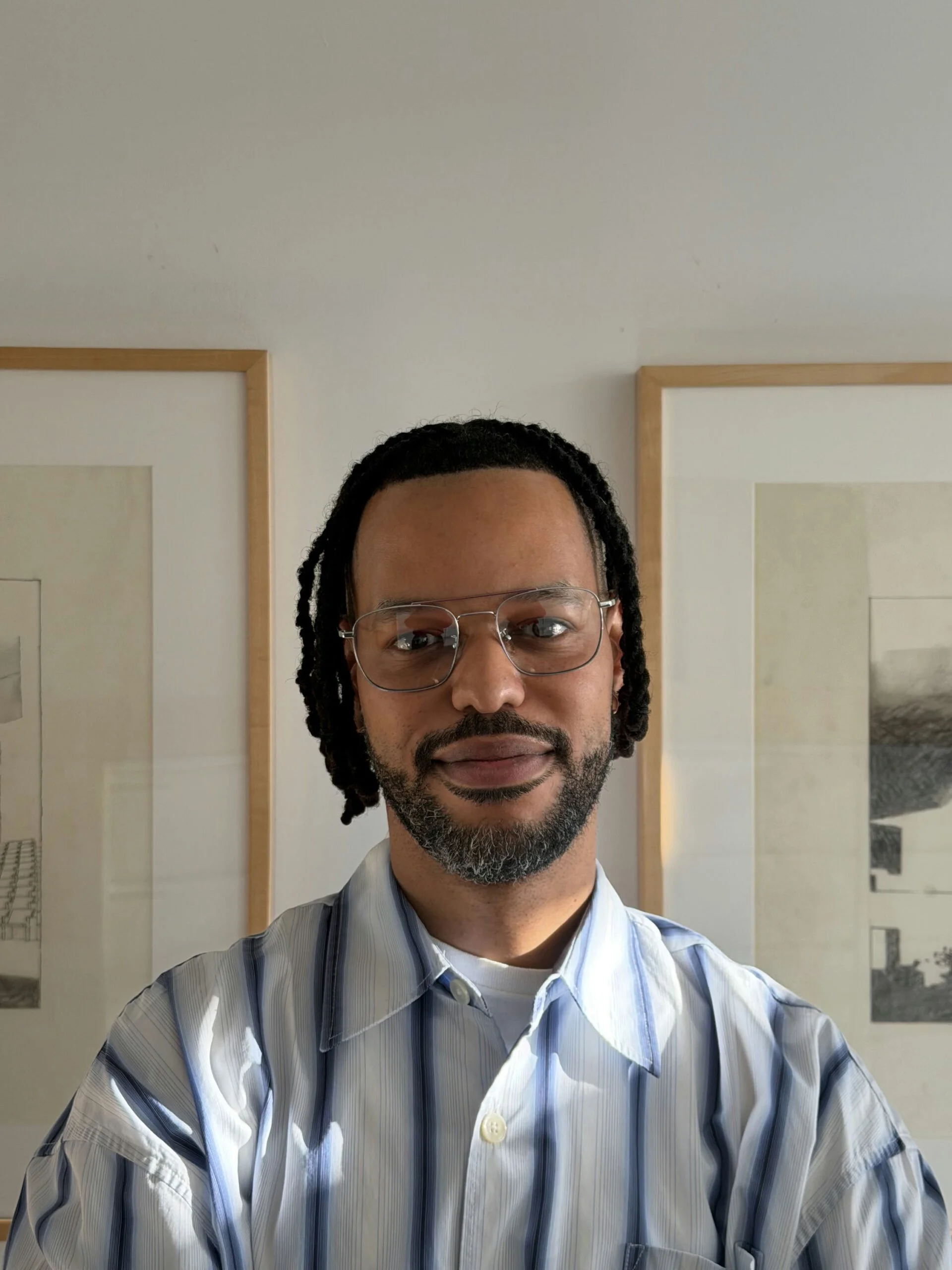
Alex Jones
Co-Chair
Archive and Curation
Christian Morales
Co-Chair
Development and Community Relations
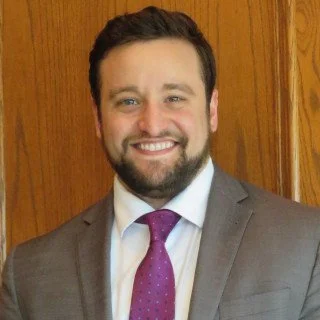
Colin May
Attorney
Compliance and Agreements
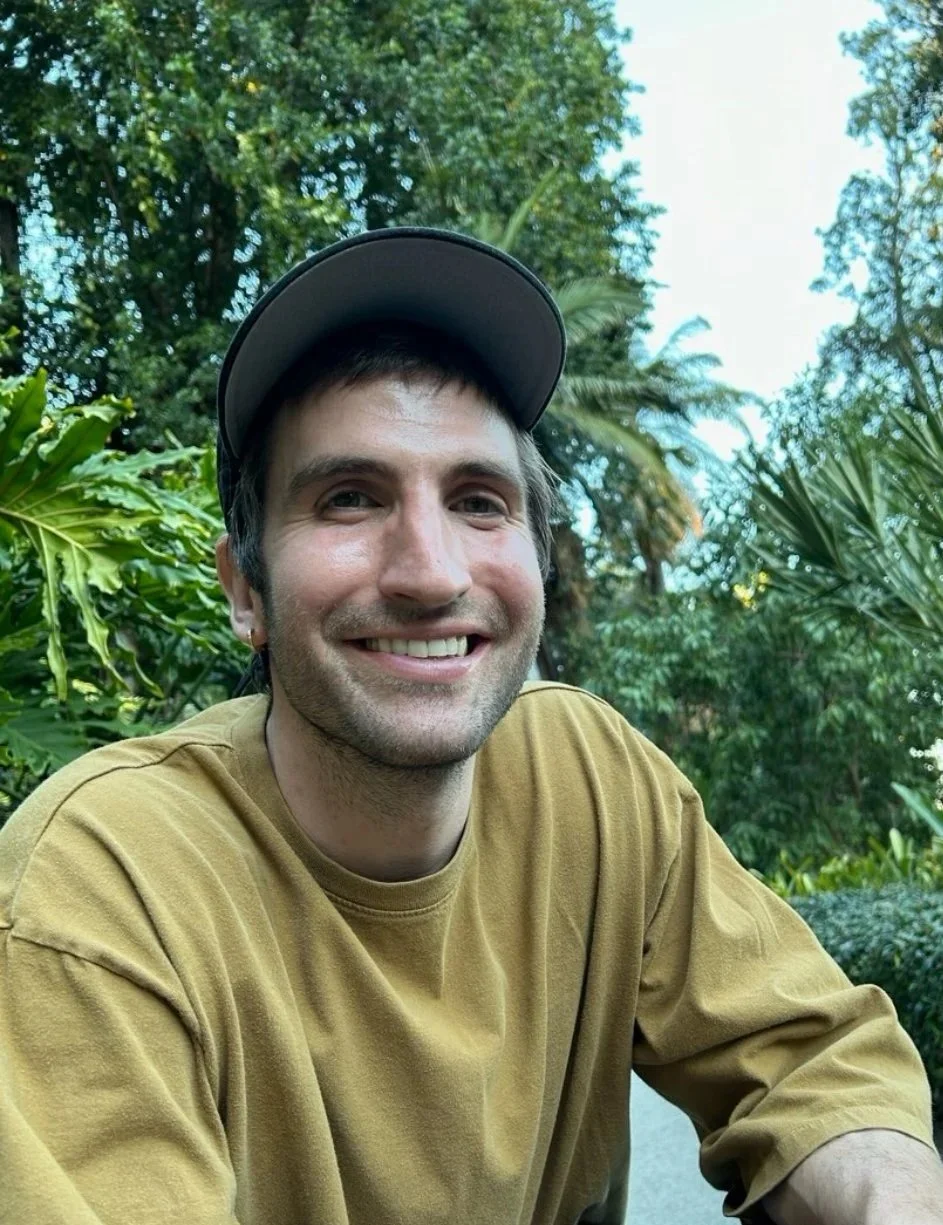
Nick Kasunic
President
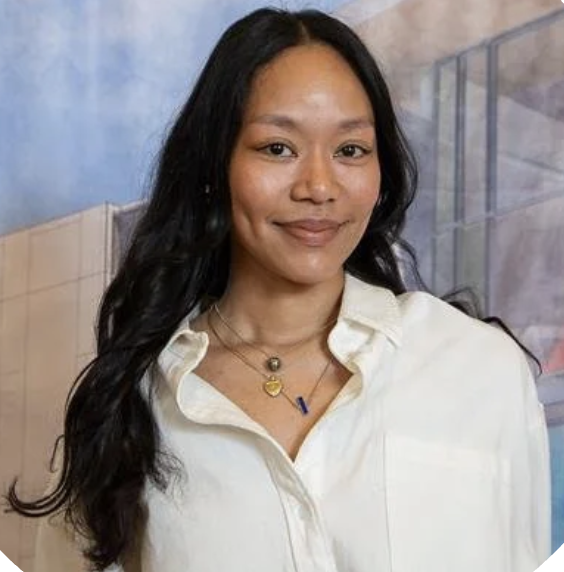
Romana Henson
Co-Chair
Apprenticeship
Contact us
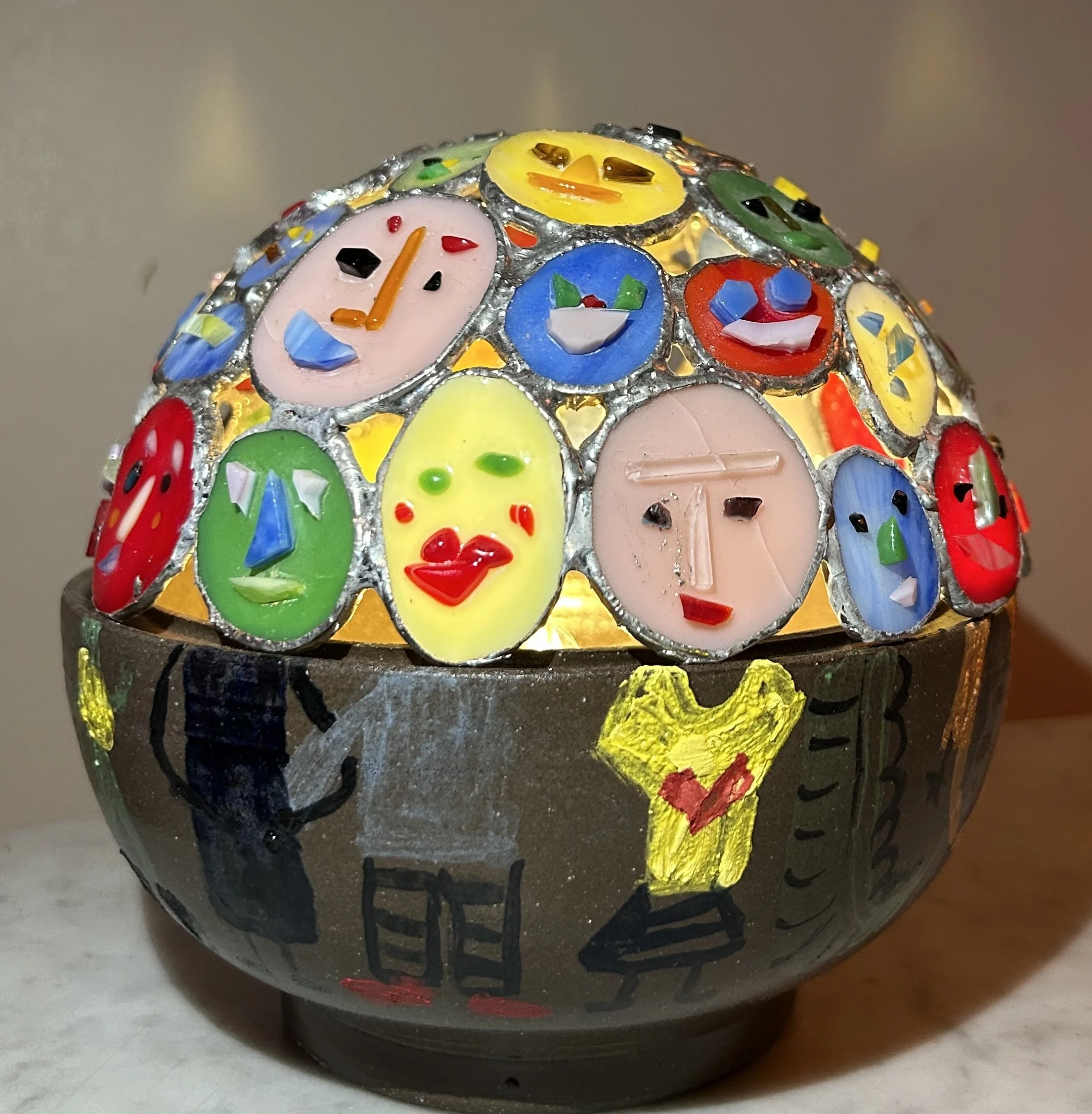
Interested in a residency? Want to host a workshop? Hoping for a custom schedule for classes? Want to commission a glass, ceramic or wood piece? Ready to sponsor a residency, establish a scholarship fund, or help with repairs?
I’m all ears!